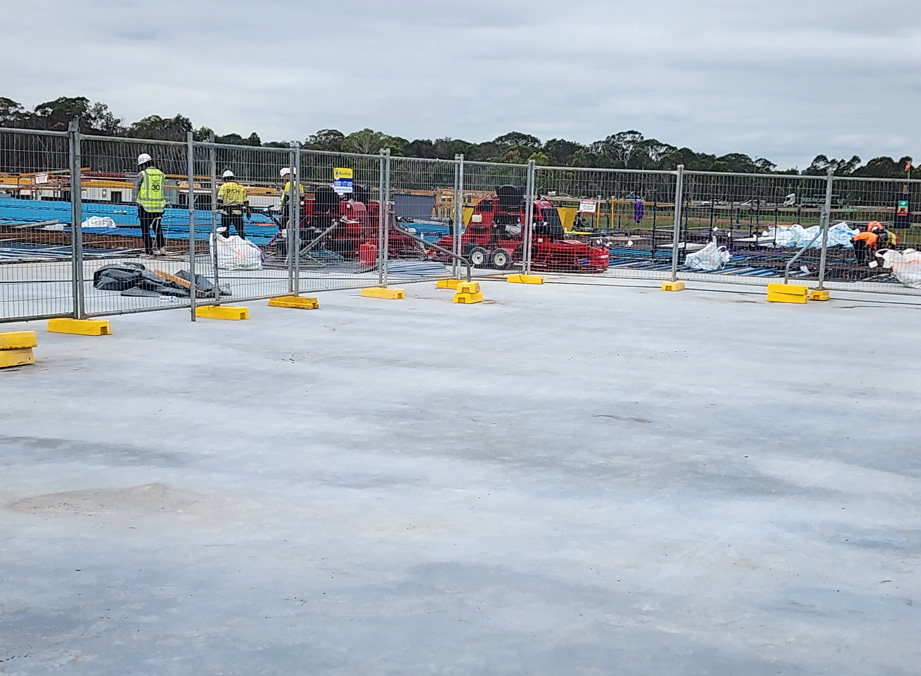
Temporary Fencing Inspection Checklist for Site Managers in Australia
If you’ve worked on a construction site in Australia, you’ll know that temporary fencing isn’t just a tick-box requirement. It’s your site’s first line of defence—keeping workers safe, protecting the public, and making sure you’re covered when the inspector shows up.
The reality? Fencing doesn’t stay perfect for long. Between Melbourne’s gusty winds, Sydney’s rain, and heavy equipment being moved around in Perth, panels shift, clamps loosen, and bases get unstable. I’ve personally seen an entire line of fencing tip over in a storm because a couple of bases weren’t weighted properly. It cost us time, money, and a safety warning we could have avoided.
That’s why regular inspections matter. They don’t just keep you compliant with AS 4687-2007 Temporary Fencing and Hoardings—they also save you headaches, downtime, and potential accidents.
Why Inspections Matter on Aussie Sites
I get it—site managers juggle endless responsibilities: deadlines, budgets, labour, and compliance paperwork. Adding “check the fence” to the list might feel unnecessary. But in Australia, ignoring it can backfire fast.
- WorkSafe Australia doesn’t take chances. Non-compliant fencing can lead to site shutdowns or hefty fines.
- Public safety is on you. A single loose panel could injure a passerby. If that happens, liability is squarely on the site.
- Weather can undo your setup overnight. From Brisbane storms to Adelaide heat that warps plastics, conditions vary across the country.
- Security risks increase. A gap in your fence is basically an open invitation to trespassers or equipment theft.
- Prevention saves money. Fixing a clamp today is far cheaper than paying for stolen tools or damaged materials tomorrow.
The bottom line? A quick inspection can prevent bigger problems.
The Temporary Fencing Inspection Checklist
Here’s a practical, boots-on-the-ground checklist designed for Australian site managers:
1. Check Stability of Panels
- Make sure bases are seated properly and not sitting in mud or loose soil.
- In windy regions (like coastal NSW or WA), add extra bracing or weights.
2. Inspect Clamps and Connections
- Tighten any loose clamps—don’t assume yesterday’s checks still hold.
- Replace rusted or bent connectors (common in humid areas like Queensland).
3. Look for Gaps and Openings
- Ensure no panels have shifted, leaving gaps wide enough for entry.
- Pay special attention around gates, corners, and uneven ground.
4. Gate Security
- Confirm gates open and close smoothly without sticking.
- Locks should be tamper-proof, and working padlocks often rust in outdoor conditions.
5. Ground Conditions
- Wet weather can soften soil, making bases sink.
- In dry regions, dust build-up can affect footing. Adjust as needed.
6. Signage Compliance
- Ensure “No Entry” or hazard signs are attached securely and clearly visible.
- WorkSafe inspectors will check for proper signage under local regulations.
7. After-Hours Security
- Walk the fence line before leaving for the day.
- A quick 5-minute check at knock-off time can prevent overnight trespassing.
8. Weather-Specific Adjustments
- After storms, reinspect for panels blown over.
- In high-wind areas (think regional WA), consider anti-lift devices.
How Often Should You Inspect?
There’s no one-size-fits-all, but in Australia, a good rule of thumb is:
- Daily walk-throughs – quick checks at the start and end of each shift.
- After extreme weather – wind, storms, or heavy rain.
- Weekly deeper inspections – tightening clamps, re-checking alignment, signage, and stability.
This isn’t just best practice—it aligns with the proactive approach WorkSafe expects from site managers.
Common Mistakes Site Managers Make
Over the years, I’ve noticed a few repeat slip-ups:
- Thinking, “Once set, it’s fine.” Temporary fencing shifts constantly—soil, machinery, even kids playing nearby can move it.
- Skipping weather checks. Aussie weather isn’t forgiving; one storm can undo a week’s work.
- Ignoring minor damage. A cracked panel today is a collapsed panel tomorrow.
- Assuming workers notice issues. Unless you assign responsibility, small issues go unreported.
Final Word: Fencing Is More Than Just a Boundary
At the end of the day, temporary fencing isn’t just about keeping people out—it’s about keeping everyone safe and your project on track.
As a site manager in Australia, your fencing inspection checklist should be as important as checking machinery or signing off on safety inductions.
A solid, well-maintained fence line shows inspectors, workers, and the public that you’re serious about safety and compliance. More importantly, it saves you from unnecessary downtime, fines, or accidents.
So next time you’re walking the site, take an extra lap around the fence. It could be the simplest, most effective risk management step you take all day.