Temporary Fencing Laws & Safety Regulations in Australia
When you install temporary fencing on a construction site, event space, or public project, it’s not just about creating a barrier. It’s about protecting people, securing the site, and meeting legal obligations.
Across Australia, temporary fencing must comply with national and state-based safety standards. Failing to follow these rules can result in penalties, project delays, or even serious incidents.
If you’re planning a project, here’s what you need to know about temporary fencing laws and safety regulations in Australia.
When Is Temporary Fencing Required?
Temporary fencing is required wherever there is a foreseeable risk to workers, visitors, or the public. WHS legislation requires duty holders to identify hazards, assess risks, and implement controls. Fencing is commonly required for:
- Construction and demolition sites
- Road works and civil infrastructure projects
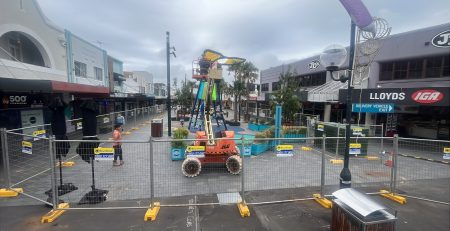
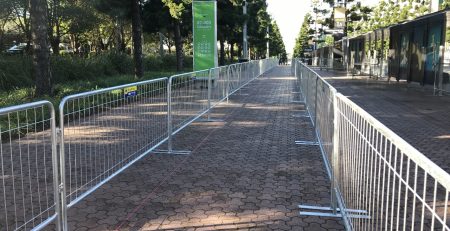
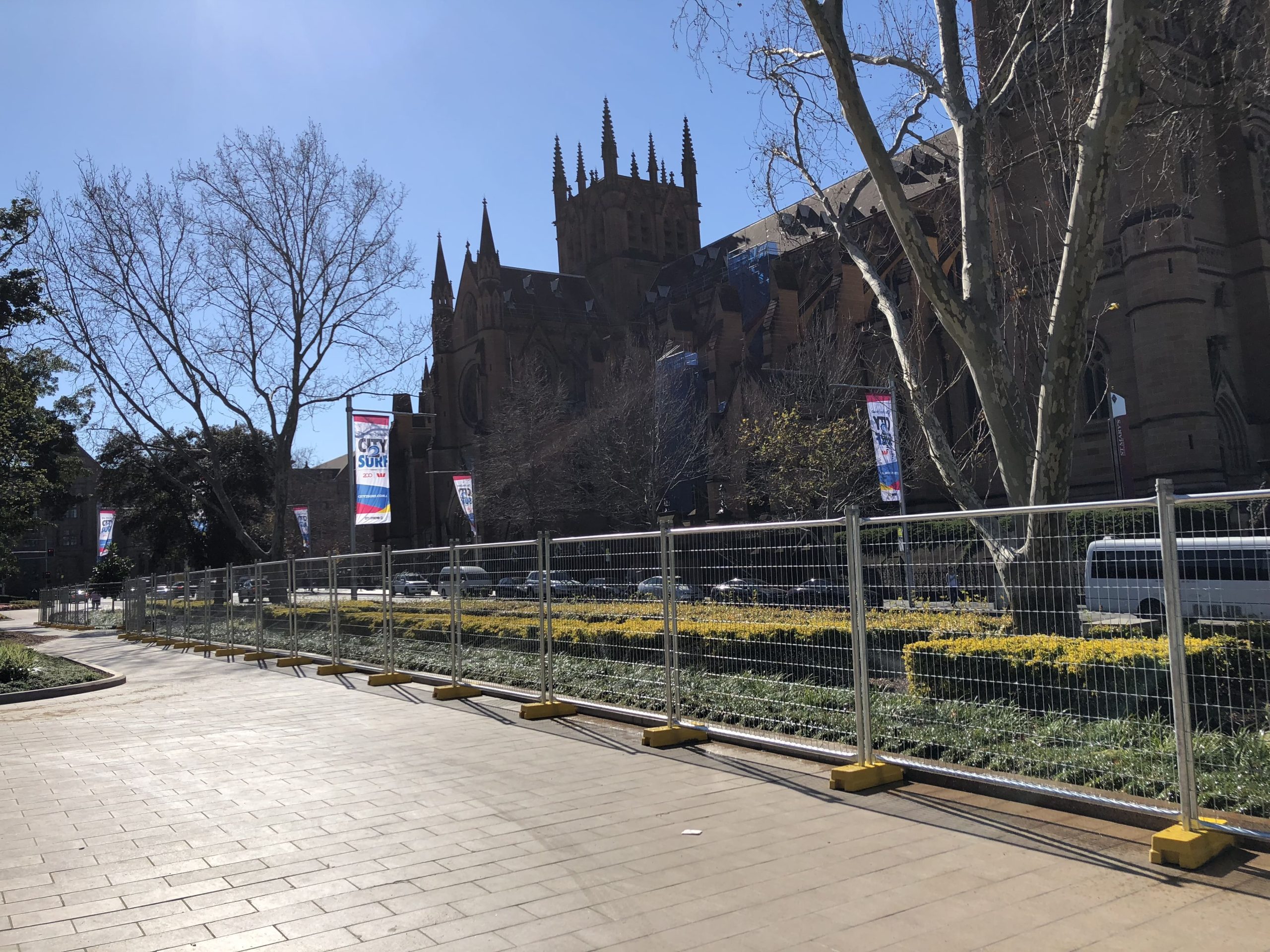
- Public events and crowd-controlled areas
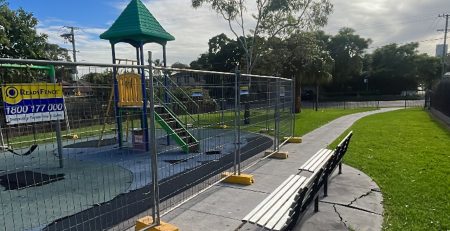
- Schools, parks, and council projects
- Emergency response or disaster management zones
Key Laws and Regulatory Frameworks
Work Health and Safety (WHS) Laws
Each state and territory has its own WHS laws enforced by regulators such as SafeWork NSW or WorkSafe Victoria. These laws require:
- Safe boundaries to prevent unauthorised access
- Protection of workers, visitors, and the public
- Regular inspection and maintenance of fencing
Australian Standards for Temporary Fencing (AS 4687-2022)
AS 4687-2022 is the official Australian Standard for temporary fencing. It specifies requirements to ensure fencing is safe, durable, and effective on-site.
Key requirements include:
- Fence strength & durability: Must withstand wind loads and site conditions
- Height & stability: Fully compliant to meet AS 4687-2022 standards
- Bracing & anchoring: Required to prevent collapse in high-wind areas
Why this matters: Non-compliant fencing can result in legal penalties, safety hazards, and project delays.
Australian Pool Fencing Standards (AS 1926.1-2012)
Australia also has strict pool fencing laws under AS 1926.1-2012, designed to prevent child drownings. Compliance is mandatory for all private pools.
Key requirements include:
- Fence height: At least 1.2m with no climbable gaps or footholds
- Bottom gap: No larger than 10cm from finished ground level
- Gates: Must have self-closing and latching devices
- Horizontal bars: If present, spaced at least 90cm apart
Penalties for non-compliance:
- Fines exceeding $5,500
- Pool shutdown or prohibition orders
Why this matters: Pool fencing is a critical life-safety measure, and non-compliance carries severe legal and safety consequences.
Local Council Requirements
Councils may impose fencing requirements as part of permits, approvals, or event planning. Conditions can include:
- Fence placement and setback distances
- Fence height and visibility
- Pedestrian separation and safe access points
Construction-Specific Compliance
High-risk construction sites may require Configuration 19 fencing, designed for enhanced stability, anti-climb performance, and public safety. It is typically mandated for larger projects or high-exposure environments.
Responsibility for Compliance
The party controlling the site, often the principal contractor, builder, or event organiser,is responsible for compliance. They must ensure fencing is:
- Installed correctly and suitable for the project risk
- Regularly inspected and maintained
- Adjusted as site conditions change
How Compliance Is Enforced
Compliance is monitored by regulators, councils, and site inspections. Non-compliance can result in:
- Improvement or prohibition notices
- Work stoppages or project delays
- Fines or penalties
- Liability in the event of an incident
Common Compliance Mistakes
Common failures include:
- Using fencing unsuitable for the site risk or duration
- Neglecting wind load or environmental factors
- Poor maintenance or damaged panels
- Failing to comply with council or permit conditions
- Inadequate documentation of inspections
Maintaining Compliance Throughout a Project
To maintain compliance:
- Conduct a risk assessment before installation
- Select fencing appropriate for site hazards and duration
- Inspect and maintain fencing regularly
- Document all inspections and modifications
- Treat fencing as an active safety system, not a static barrier
Ensuring temporary and pool fencing complies with Australian laws and standards is critical for safety, legal compliance, and project efficiency. Proper planning, installation, and maintenance help prevent incidents, fines, and delays, protecting both people and your project.
Temporary Fencing Laws & Safety Regulations in Australia
Temporary fencing in Australia is not simply a site accessory, it is a legal, safety, and compliance requirement in many situations. Whether you are managing a construction project, civil works upgrade, public event, school redevelopment, or emergency response zone, fencing plays a critical role in protecting workers, the public, and your project from liability.
Understanding the laws and safety regulations surrounding temporary fencing ensures your site remains compliant, secure, and operational from day one.
When Is Temporary Fencing Legally Required?
Temporary fencing is typically required wherever there is:
- Risk to public safety
- Construction or demolition activity
- Machinery or hazardous materials on-site
- Excavation or uneven ground
- Public access near operational work zones
As outlined in Ready Fence’s compliance resources, fencing is often a condition of permits, workplace obligations, or insurance coverage.
Common scenarios where fencing is mandatory include:
- Construction and demolition sites
- Civil works and road projects
- Public events and crowd-controlled areas
- School grounds and council projects
- Emergency and disaster response zones
In many cases, failing to secure a site properly can result in fines, stop-work notices, or liability claims.
What Laws Govern Temporary Fencing in Australia?
Temporary fencing compliance is primarily governed by three regulatory layers:
1. Work Health and Safety (WHS) Laws
All Australian states and territories operate under Work Health and Safety (WHS) legislation. These laws require duty holders , such as builders, contractors, and site managers , to eliminate or minimise risks to workers and the public.
Where there is a foreseeable risk of injury or unauthorised access, fencing becomes a required control measure.
Regulators such as SafeWork NSW and WorkSafe QLD actively enforce these requirements.
2. Australian Standards (AS 4687-2022)
Temporary fencing must comply with relevant Australian Standards, particularly:
AS 4687-2022 – Temporary Fencing and Hoardings
This standard covers performance expectations, including:
- Wind resistance
- Structural integrity
- Stability and bracing
- Impact resistance
Using compliant systems ensures your fencing is tested and certified, reducing both physical risk and legal exposure.
3. Local Council & Permit Conditions
Local councils often impose fencing requirements as part of:
- Development approvals
- Road or footpath closures
- Event permits
- Public space disruptions
These conditions may specify minimum fence height, setback distances, pedestrian protection, or screening requirements.
Ignoring permit conditions can delay projects or invalidate approvals.
What Safety Standards Must Temporary Fencing Meet?
Beyond simply “putting up panels,” fencing must be installed correctly and maintained throughout the project lifecycle.
Key safety requirements include:
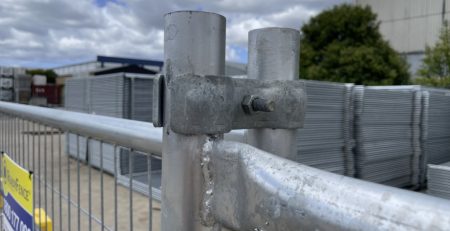
- Adequate base weight and ballast support
- Properly joined and clamped panels
- Bracing for wind-exposed areas
- Regular inspection and maintenance
Poorly installed fencing can create greater hazards than having no fence at all , especially in high-wind or high-traffic environments.
What Is Configuration 19, And Why Does It Matter?
You may have encountered the term Configuration 19 when hiring or purchasing temporary fencing.
Configuration 19 refers to a specific engineered and certified fencing setup designed to withstand wind loads and real-world site pressures.
In simple terms, it defines:
- Panel spacing
- Bracing requirements
- Installation method
- Load resistance expectations
It is commonly required on:
- Construction sites
- Public works
- High-capacity events
Using compliant configurations protects your site from collapse risks, fines, and potential shutdowns.
What Happens If You Don’t Comply?
Non-compliant fencing can lead to serious consequences.
Potential risks include:
- On-the-spot fines from safety regulators
- Project delays or stop-work notices
- Insurance complications
- Civil liability if injury occurs
- Reputational damage
Unsecured hazard zones create both physical danger and legal exposure, particularly in public-facing or community environments.
In short, fencing is not just about protection, it is about proving that reasonable safety measures were taken.
Who Is Responsible for Compliance?
Responsibility for temporary fencing generally rests with the party controlling the site. This may include:
- The principal contractor
- The builder
- The site manager
- The event organiser
- The council or asset owner
Even if fencing is hired from a supplier, the legal obligation to ensure it is installed and maintained correctly remains with the duty holder.
Clear communication between contractors and fencing providers is essential to ensure full compliance.
How to Ensure Your Site Meets Regulations
To stay compliant:
- Confirm whether fencing is required under your permit or WHS obligations.
- Use fencing systems compliant with AS 4687-2022.
- Confirm whether Configuration 19 or higher-risk setups apply.
- Ensure proper installation, bracing, and ballast.
- Conduct regular inspections, especially after high winds.
- Work with an experienced provider who understands Australian regulations.
Early planning avoids rushed installations and compliance oversights.
Why Compliance Is About More Than Avoiding Fines
Temporary fencing does more than meet legal standards.
- Demonstrates professionalism
- Protects your workforce
- Builds public trust
- Prevents theft and vandalism
- Keeps projects running smoothly
As highlighted across Ready Fence’s safety and compliance resources, fencing is one of the most visible indicators that a site is controlled, organised, and responsibly managed
Final Word: Secure, Compliant, and Fit for Purpose
Temporary fencing laws in Australia are clear, if your site presents a risk, it must be secured properly.
Compliance with WHS legislation, Australian Standards, and local permit conditions is not optional. It is a legal and operational necessity.
By choosing certified systems, correct configurations, and professional installation, you protect your people, your project, and your reputation.
If you’re unsure what regulations apply to your site, speak with an experienced fencing specialist before work begins. A proactive approach to compliance prevents costly problems later and ensures your project starts and finishes on solid ground.
At Ready Fence, we provide fully compliant, Australian-certified temporary fencing for construction and civil sites, events, and pool safety.
Meets AS 4687-2022 & WHS standards.
Fast delivery & installation across Australia.
Hire & purchase options to fit your project needs.
📞 Need fencing that meets Australian legal standards? Contact Ready Fence for a FREE compliance consultation!