Who Is Responsible for Temporary Fencing on a Construction Site?
Temporary fencing is a critical safety measure on any construction site. It protects workers, visitors, and the public from hazards, secures materials and equipment, and ensures your site complies with Australian safety regulations.
But a common question many builders, site managers, and property developers ask is:
Who is actually responsible for installing, maintaining, and monitoring temporary fencing on a construction site?
In this blog, we’ll break down the responsibilities, explain why it matters, and show you how to manage fencing correctly so your site remains safe and compliant.
Why Temporary Fencing Is Essential on Construction Sites
Before we get into responsibility, it’s important to understand why temporary fencing is such a critical part of any construction project.
Temporary fencing is used to:
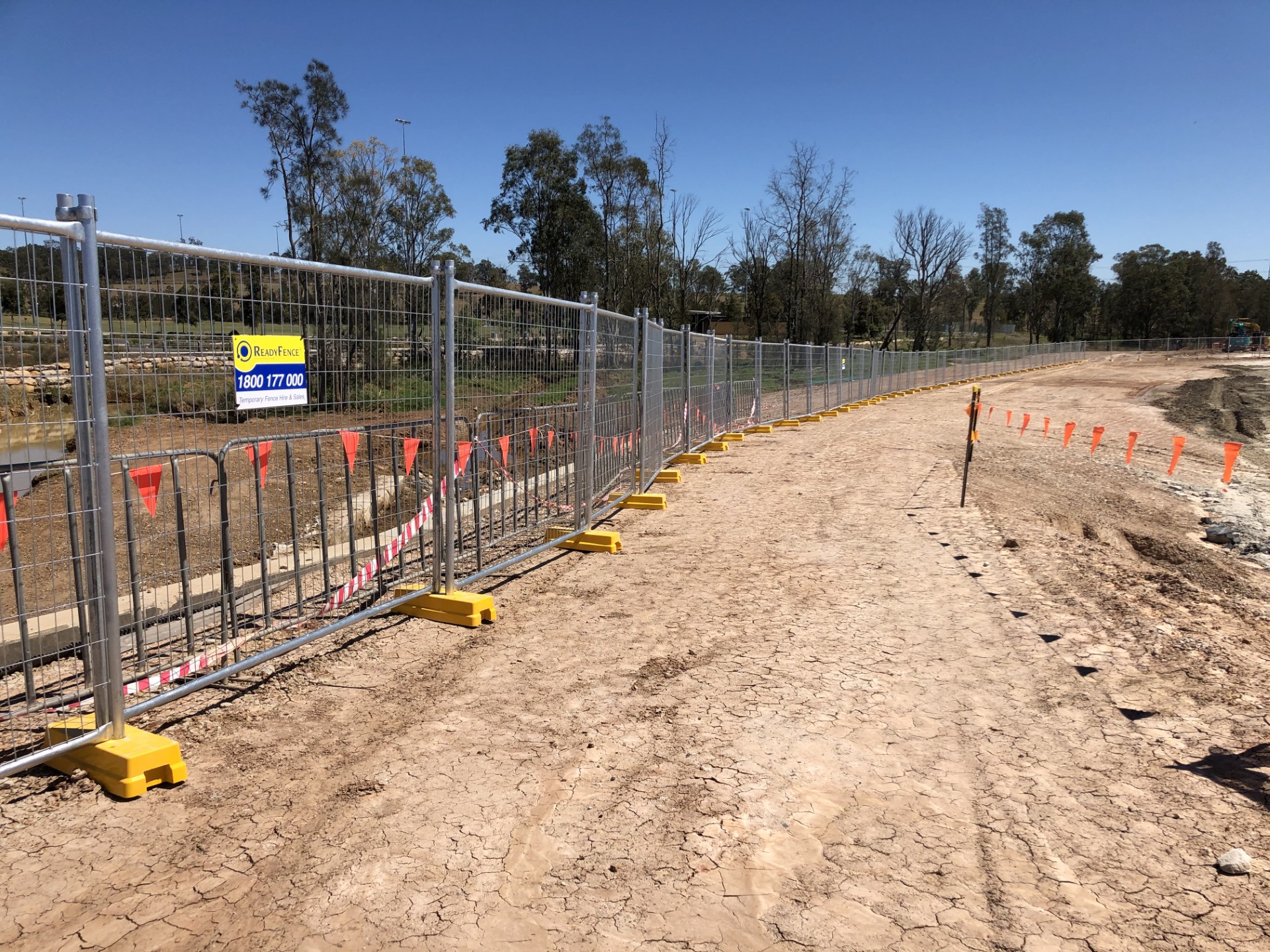
- Restrict public access to potentially hazardous areas
- Protect workers from dangers like open trenches, heavy machinery, or unstable structures
- Deter theft and vandalism of tools, equipment, and materials
- Define site boundaries and manage traffic flow around the construction site
In Australia, failing to provide proper fencing can lead to serious safety risks, fines, and legal liability. Ensuring the right fencing is in place is not just a recommendation; it’s a legal and regulatory requirement on many sites.
For example, if a member of the public enters a site without permission and suffers an injury, the lack of temporary fencing can result in heavy penalties for the responsible party. On the other hand, a well-fenced site reduces risk and demonstrates a strong duty of care.
Construction Site Fencing Responsibility: Who Is Legally Accountable?
Responsibility for temporary fencing depends on the project size, contractual agreements, and local regulations. In most cases, it falls to one or more of the following parties:
1. The Principal Contractor
On larger construction projects, the principal contractor typically holds ultimate responsibility for temporary fencing.
Their responsibilities include:
- Ensuring the site is safe for workers, visitors, and the public
- Controlling access to the construction zone
- Maintaining fencing throughout the project
- Ensuring compliance with WHS (Work Health and Safety) requirements
While principal contractors may delegate the physical installation to subcontractors or professional fencing companies, accountability generally remains with them. They are legally responsible for ensuring fencing is in place and maintained correctly.
2. Subcontractors or Builders
In smaller projects, or when certain areas of a site are subcontracted, subcontractors or builders may be responsible for temporary fencing within their designated zone.
Key responsibilities for subcontractors include:
- Installing fencing around hazardous areas under their control
- Checking that panels remain secure and upright
- Reporting damage, tampering, or other issues to the principal contractor
Even when subcontractors manage fencing, the principal contractor usually remains accountable for overall site safety and compliance.
3. Site Owners or Developers
In private residential or commercial developments, site owners or property developers often have a legal responsibility to ensure temporary fencing is installed until construction is complete.
This responsibility ensures:
- Liability is managed if someone enters the site without permission
- Compliance with local council regulations and Australian safety codes
- Protection of property, equipment, and materials
For example, a developer leaving a vacant lot without fencing could be held liable if someone trespasses and gets injured.
Legal Requirements for Temporary Fencing on Construction Sites in Australia
In Australia, responsibility for temporary fencing is closely tied to Work Health and Safety (WHS) laws. Understanding temporary fencing legal and safety obligations is essential:
- Duty of Care: Every party involved in the project has a duty to prevent harm to workers and the public.
- Compliance Standards: Temporary fencing must meet AS 4687 – Temporary Fencing and Hoardings to ensure it is stable and safe, even in high winds or public areas.
- Liability: If someone is injured due to inadequate fencing, the responsible party may face fines, insurance claims, or legal action.
- Maintenance: Temporary fencing isn’t a “set and forget” measure. Panels need regular inspections to make sure they remain secure and upright.
Failing to meet these obligations not only increases safety risks but can also lead to delays, insurance disputes, and reputational damage.
How to Manage Temporary Fencing Responsibility on a Construction Site
Here are some actionable tips to make sure fencing responsibilities are clear and your site is compliant:
- Clarify Roles in Contracts
Always define in your contract who is responsible for fencing installation, maintenance, and inspections. This eliminates confusion and prevents disputes later. - Use Professional Fencing Services
Hiring a company like Ready Fence ensures your fencing is compliant, professionally installed, and maintained throughout the project. Professionals understand site safety, WHS compliance, and the best layout for your needs. - Regular Inspections
Assign a person to check fencing panels daily or weekly, especially after storms or high wind events. Loose or damaged panels should be fixed immediately to avoid safety risks. - Document Everything
Keep records of fencing installation, inspections, and maintenance. This documentation is crucial for WHS compliance and legal protection if an incident occurs. - Maintain Clear Boundaries
Make sure that fencing defines the construction site clearly and prevents unauthorised access. Gates should be locked and access points monitored.
When Temporary Fencing Is Mandatory on Construction Sites
Temporary fencing is required or highly recommended in several scenarios:
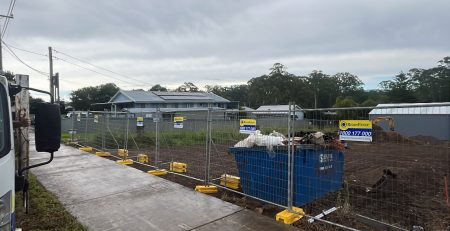
- Construction Sites: Protect workers, visitors, and the public from site hazards.
- Renovation or Maintenance Projects: Even small-scale projects need fencing to prevent accidents and unauthorised access.
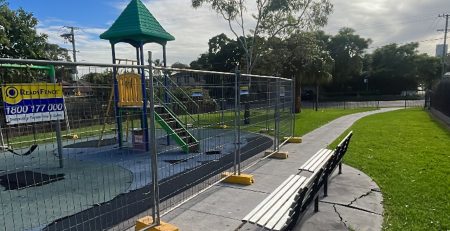
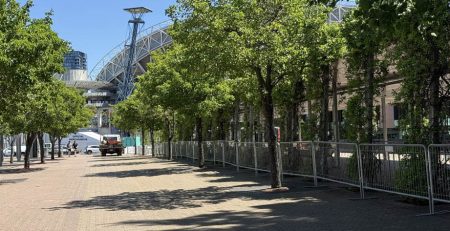
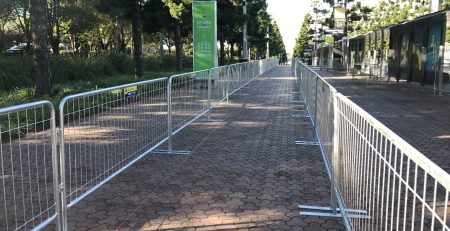
- Public Events or Festivals: Temporary fencing manages crowds, defines entry and exit points, and secures restricted areas.
- Emergency Situations: After natural disasters, accidents, or hazardous spills, fencing can cordon off dangerous areas quickly.
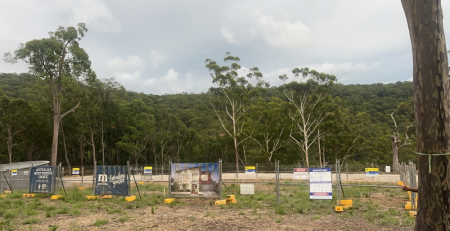
- Vacant or Unused Land: Property owners use fencing to prevent trespassing, dumping, or vandalism.
Read More: The Ultimate Guide to Temporary Fencing
Let Ready Fence Help Keep Your Site Safe
Temporary fencing is more than a barrier; it’s a safety, security, and compliance solution. Knowing who is responsible for installing and maintaining it helps prevent accidents, fines, and project delays.
Ready Fence can help ensure your temporary fencing is installed correctly and maintained throughout your project. We provide expert installation, compliance guidance, and ongoing support so your construction site stays safe, secure, and professional.
Secure your site today and make sure everyone on and around it remains safe, from day one to project completion.