The Ultimate Guide to Temporary Fencing
Temporary fencing is a removable safety barrier used to secure construction sites, public spaces, and events. In Australia, it plays a critical role in preventing unauthorised access, protecting pedestrians, and meeting safety and compliance obligations. This guide explains what temporary fencing is, when it is required, the main types available, and how to choose the right solution for your project.
What Is Temporary Fencing?
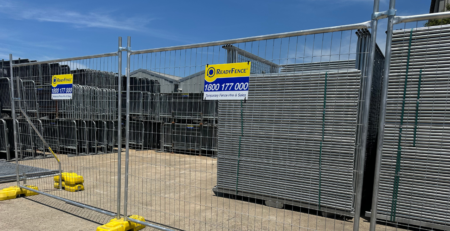
Temporary fencing is a modular barrier system designed to restrict access to an area for a limited period of time. Unlike permanent fencing, it can be installed, relocated, and removed without ground excavation or long-term structural changes.
It is commonly used to:
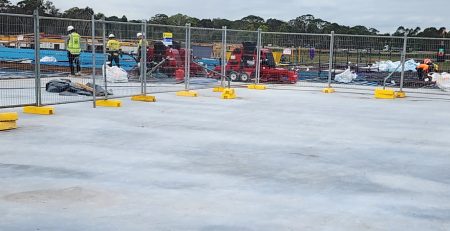
- Secure active construction zones
- Separate the public from hazardous areas
- Control movement at events and worksites
- Protect assets, equipment, and infrastructure
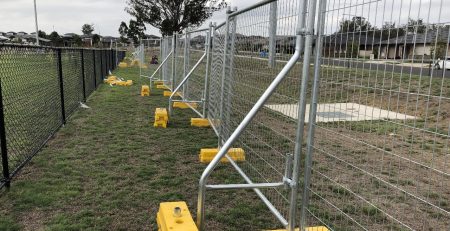
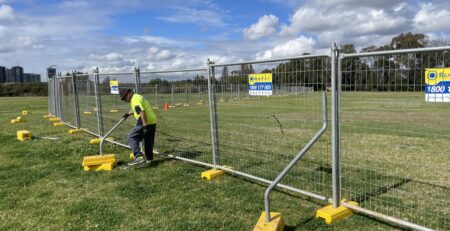
Temporary fencing systems typically consist of panels, support bases, clamps, and optional stabilisation components such as braces or wind mesh.
When Is Temporary Fencing Required in Australia?
Temporary fencing is used whenever there is a risk to public safety, site security, or regulatory non-compliance. While exact requirements vary by state, it is commonly required for:
- Construction and demolition sites
- Civil works and road projects
- Public events and crowd-controlled spaces
- School grounds and council works
- Emergency and disaster response zones
In many cases, fencing is not only a best practice but a condition of permits, workplace safety obligations, or insurance requirements. Responsibility typically sits with the builder, principal contractor, site manager, or event organiser.
What Laws and Compliance Rules Apply to Temporary Fencing in Australia?
Temporary fencing in Australia must comply with Work Health and Safety (WHS) laws, Australian Standards, and local authority requirements. These obligations apply wherever fencing is used to control access, manage risk, or protect the public.
Core Legal and Regulatory Frameworks
Temporary fencing requirements typically arise under:
- Work Health and Safety (WHS) Acts and Regulations
Enforced by state and territory regulators such as SafeWork NSW and WorkSafe Victoria. These laws require duty holders to implement controls—such as fencing—where there is a risk of injury or unauthorised access. - Australian Standards and Industry Guidelines
Fencing must be fit for purpose, stable, and able to withstand site conditions such as wind loading and public interaction. Certain sites require higher fencing configurations or additional bracing. - Local Council and Permit Conditions
Councils may mandate fencing for construction works, events, footpath closures, or public space disruptions. Requirements can include fence height, setback distances, and pedestrian protection measures.
Construction-Specific Compliance (Including Configuration 19)
Higher-risk construction sites may require fencing that meets additional criteria related to stability, anti-climb performance, and public safety separation.
Who Is Responsible for Compliance?
Responsibility usually sits with the party in control of the site, including:
- Principal contractors
- Builders or developers
- Event organisers
- Councils or asset owners
They are responsible for ensuring fencing is installed correctly, inspected regularly, and maintained for the duration of the project.
What Are the Main Types of Temporary Fencing?
Different environments require different fencing solutions. The most common types include:
Temporary Fence Panels
- Galvanised steel mesh panels
- Used for construction and infrastructure sites
- Designed for durability and reuse
- Compatible with bracing and ballast systems
Barrier Mesh Fencing
- High-visibility plastic mesh
- Often paired with star pickets
- Used for low-risk or short-term works
- Common in landscaping and utility projects
Hoarding and Solid Barriers
- Solid panels are used where privacy, noise reduction, or visual screening is required
- Common in retail, CBD, and long-term urban projects
- Installed differently from mesh fencing and assessed separately for wind loading
Each type is selected based on site risk, duration, public exposure, and compliance requirements.
What Standards and Safety Requirements Apply?
Temporary fencing must be installed and maintained in a way that ensures stability and public safety. While specific standards and guidelines may vary, key considerations include:
- Adequate base weight and ground support
- Proper joining and clamping of panels
- Bracing is required for wind exposure
- Regular inspection and maintenance
Certain projects may require fencing to meet additional specifications, such as Configuration 19, which is used on higher-risk construction sites in Australia. Understanding these requirements early helps avoid compliance issues, delays, or site shutdowns.
Who Is Responsible for Temporary Fencing Compliance?
Responsibility for temporary fencing typically rests with the party controlling the site. This may include:
- Principal contractors
- Builders or developers
- Event organisers
- Council or government authorities
They are responsible for ensuring fencing is:
- Installed correctly
- Fit for purpose
- Inspected regularly
- Maintained throughout the project lifecycle
Failure to meet these responsibilities can result in safety incidents, regulatory action, or liability exposure.
Why Temporary Fencing Planning Matters
Temporary fencing is more than a boundary—it is a core safety control. When planned correctly, it helps manage risk, protect the public, and keep projects compliant from day one through completion.
Understanding fencing requirements early allows project teams to make informed decisions that align with safety, efficiency, and regulatory expectations.
How Do You Choose the Right Temporary Fencing for a Project?
Choosing the correct temporary fencing solution depends on several practical factors:
- Project duration: short-term vs long-term use
- Site risk: proximity to the public, traffic, or hazards
- Environment: wind exposure, ground conditions, space constraints
- Compliance needs: local regulations or site-specific requirements
Planning fencing as part of early site setup ensures smoother project delivery and reduces the risk of changes later.
👉 Need expert advice on temporary enclosures? Contact Ready Fence today for tailored solutions!