Temporary Fencing for Public Access Management
Managing public access on construction sites, events, and other high-traffic areas is a critical safety and compliance requirement. Temporary fencing provides an effective solution to control movement, reduce hazards, and maintain clear boundaries between public and restricted areas.
For more details on the types and uses of temporary fencing, check out The Ultimate Guide to Temporary Fencing.
Why Is Public Access Management Important?
Uncontrolled public access can lead to:
- Safety incidents and injuries
- Property damage
- Legal and compliance breaches
- Project delays
Temporary fencing ensures that the public is safely separated from risks while allowing authorised personnel to move freely. Learn how to choose the right fencing for your project in How to Choose the Best Temporary Fencing.
How Temporary Fencing Works in Construction Sites
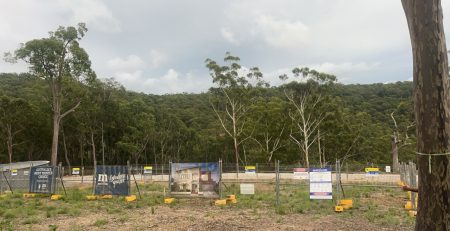
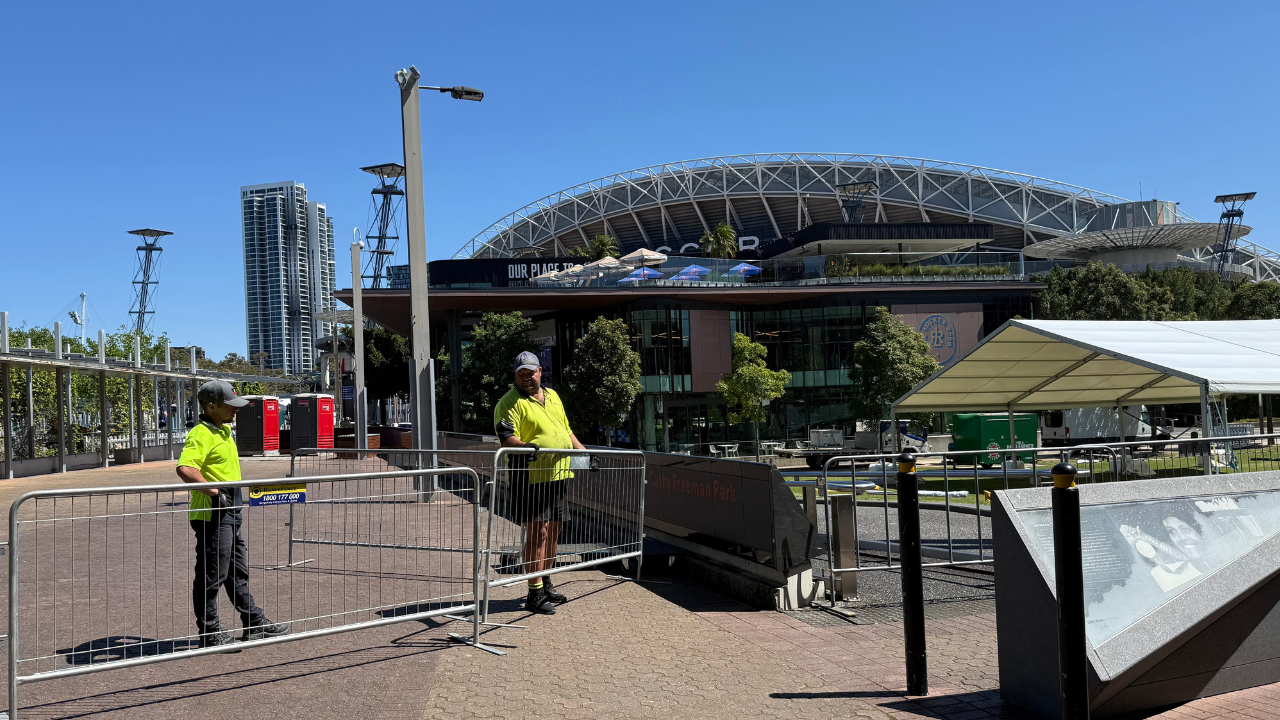
Construction sites often contain hazardous areas, heavy machinery, and restricted zones. Temporary fencing helps manage public access by:
- Clearly defining site boundaries
- Preventing unauthorised entry into hazardous areas
- Protecting pedestrians from falling debris or equipment
- Guiding authorised personnel to safe access points
Example: On a multi-storey building site, temporary fencing with high-visibility panels can prevent pedestrians from wandering into areas where cranes or trucks are operating.
How Temporary Fencing Works at Public Events
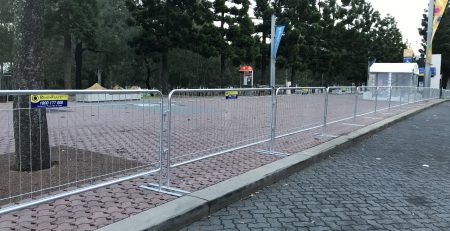
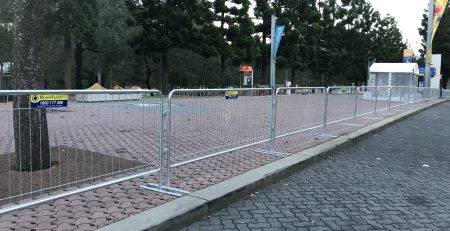
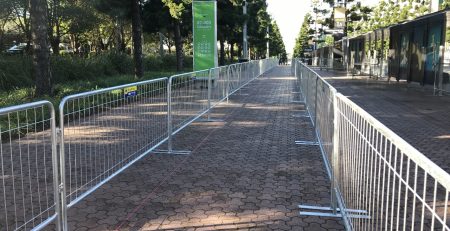
Events such as concerts, festivals, or sports games require crowd management and controlled movement. Temporary fencing can:
- Direct attendee flow and create queuing systems
- Separate VIP or staff areas from general admission
- Restrict access to stages, performance areas, or equipment zones
- Provide emergency exit routes that are clearly marked
Example: At an outdoor festival, temporary fencing can create safe walkways while preventing access to backstage or vendor-only areas. Proper planning ensures compliance and public safety, as discussed in Temporary Fencing Laws & Safety Regulations in Australia.
Benefits of Using Temporary Fencing for Public Access Management
- Enhanced Safety: Reduces the risk of accidents and injuries
- Compliance: Meets local regulations for site and crowd control
- Flexibility: Can be quickly installed, removed, or reconfigured
- Visibility: High-visibility panels help alert the public to restricted zones
Tips for Effective Public Access Management
- Plan fencing layout early in project or event planning
- Use clear signage to indicate restricted or safe zones
- Ensure fencing is stable and meets compliance standards
- Inspect fencing regularly and adjust as required for crowd or site conditions
- Integrate fencing with other safety measures, such as barriers, cones, or lighting
Conclusion
Temporary fencing is a practical and effective tool for managing public access across construction sites and events. Proper planning, installation, and maintenance help ensure safety, compliance, and smooth operations for both the public and site personnel. For a deeper understanding of temporary fencing types, standards, and legal requirements, refer to The Ultimate Guide to Temporary Fencing and Temporary Fencing Laws & Safety Regulations in Australia.