How Long Can Temporary Fencing Stay in Place on Australian Sites?
Temporary fencing is widely used across construction sites, infrastructure projects and events throughout Australia. The duration it can remain in place depends on council approvals, site conditions, and ongoing maintenance.
In most cases, temporary fencing is installed for a few weeks to several months, with longer durations possible for large-scale or ongoing projects where permits allow.
Planning and understanding these requirements helps avoid compliance issues, safety risks, and project delays.
Permit Durations and Council Regulations
In Australia, the duration of temporary fencing is primarily controlled by local council permits and development approvals. Requirements vary by state and municipality, but the general framework is consistent.
Key considerations include:
- Standard permit duration: Most councils issue approvals for 3–6 months for temporary fencing linked to construction or site works.
- Extensions for long-term projects: If your project runs longer, permits can usually be extended — provided the site remains compliant.
- Public land restrictions: Fencing placed on footpaths, verges or near roadways often requires additional permits and may have stricter time limits.
- Safety and visibility requirements: Councils may mandate reflective panels, pedestrian access clearances, or signage for extended installations.
For major developments, fencing duration is often tied directly to the approved construction timeline, meaning it can remain in place for the full lifecycle of the project — as long as compliance is maintained.
What Determines How Long Temporary Fencing Can Stay Up?
While permits define the legal timeframe, the actual lifespan of temporary fencing on site is heavily influenced by environmental exposure, system quality, and day-to-day site activity. These factors determine how well the fencing performs over time and how often it needs adjustment or reinforcement.
1. Environmental Exposure
Australia’s weather conditions can significantly impact temporary fencing, especially over longer durations.
- Strong winds place continuous pressure on fence panels, which can cause gradual loosening of couplers, shifting of stabiliser feet, and misalignment across fence runs. Over time, repeated wind exposure can weaken the overall structure if not regularly checked.
- Heavy rainfall can soften ground conditions, particularly on soil or unsealed surfaces. This may lead to base movement, reduced stability, and uneven fence alignment. In some cases, pooling water can also affect ballast positioning.
- UV radiation from prolonged sun exposure can degrade certain components such as plastic feet, clamps, or coatings. This is particularly relevant for long-term installations where materials are exposed for months without replacement.
These environmental factors don’t usually cause immediate failure, but they gradually reduce stability and durability, making regular inspection essential.
2. Type and Quality of Fencing System
The quality of the fencing system plays a major role in how long it can remain in place without issues.
- Lightweight temporary fencing systems are typically designed for short-term use such as events or quick projects. They are easier to install but may not hold up as well over extended periods.
- Heavy-duty galvanised panels are more resistant to corrosion, weather exposure, and physical wear, making them better suited for long-term construction sites.
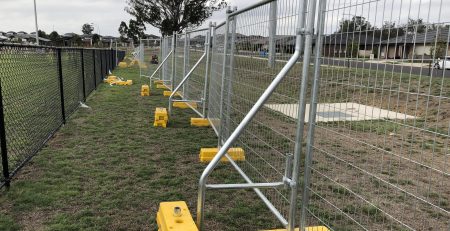
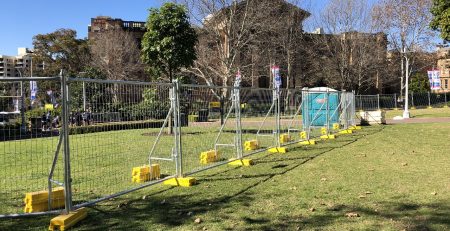
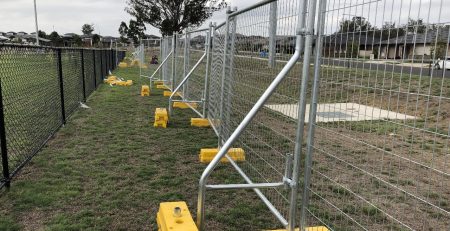
- Reinforced bases, stabiliser feet, and bracing systems improve load distribution and help maintain alignment over time, especially in exposed or high-risk areas.
Choosing a system designed for durability reduces the need for frequent repairs and helps maintain compliance over longer durations.
3. Site Activity and Usage
Ongoing site activity also affects how well temporary fencing holds up over time.
- Pedestrian interaction, especially near public-facing areas, can lead to gradual shifting or loosening of panels.
- Machinery movement and construction activity near fence lines can cause accidental contact, vibration, or displacement of bases and braces.
- Material handling and storage close to fencing can place additional strain on panels if not properly managed.
On active sites, fencing is exposed to constant movement and impact, which means it requires more frequent monitoring and adjustment compared to low-traffic areas.
Maintenance Requirements for Long-Term Installations
A key insight from industry best practices: temporary fencing longevity depends heavily on maintenance.
For installations lasting beyond a few weeks, a structured maintenance approach is essential.
Recommended Maintenance Practices:
- Weekly visual inspections for alignment, stability and damage
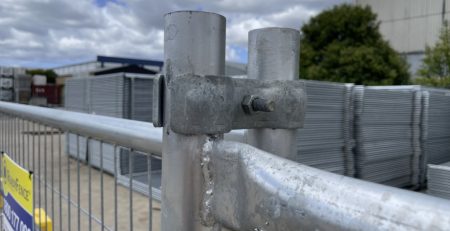
- Checking couplers and clamps to ensure panels remain securely connected
- Repositioning stabiliser feet and ballast if shifting occurs
- Replacing damaged panels or components promptly
- Post-weather inspections, especially after strong winds or storms
Without ongoing maintenance, even well-installed fencing can become unstable over time — creating safety risks and potential liability.
Best Practices for Long-Term Temporary Fencing
To maximise performance and compliance over extended periods, follow these proven strategies:
- Secure permits early and track expiry dates to avoid non-compliance
- Use heavy-duty, corrosion-resistant materials for long-term durability
- Install proper stabilisation systems, including bracing and ballast where required
- Minimise wind load exposure by avoiding unnecessary signage or mesh attachments
- Implement a maintenance schedule rather than relying on reactive fixes
These measures not only extend the lifespan of your fencing but also reduce the risk of costly disruptions.
How Ready Fence Can Help
Managing temporary fencing over extended durations requires more than just supply — it requires planning, compliance expertise, and ongoing support.
At Ready Fence, we provide end-to-end solutions tailored for both short-term and long-term installations across Australia.
Our Support Includes:
- Guidance on council requirements and permit durations to help you stay compliant
- High-quality, heavy-duty fencing systems designed for extended use
- Professional installation with proper stabilisation and bracing
- Flexible hire periods and extension options aligned with your project timeline
- Ongoing support and maintenance advice to ensure continued safety and performance
Whether you’re managing a construction project, infrastructure upgrade, or long-term site setup, our team ensures your fencing remains secure, compliant, and fit for purpose from start to finish.
Conclusion — Duration Comes Down to Compliance and Care
Temporary fencing can stay in place for extended periods when supported by valid approvals, appropriate system selection, and consistent maintenance.
By planning ahead and monitoring conditions over time, you can ensure your fencing continues to perform safely and effectively throughout your project lifecycle.
Get Expert Advice for Your Project
If you’re planning a project and need temporary fencing for the short or long term, the team at Ready Fence is here to help.
Contact us today to discuss your site requirements, get expert recommendations, and ensure your fencing solution is built to last as long as your project demands.
Get a free quote today or call us on 1800 177 000 — we’re ready when you are.