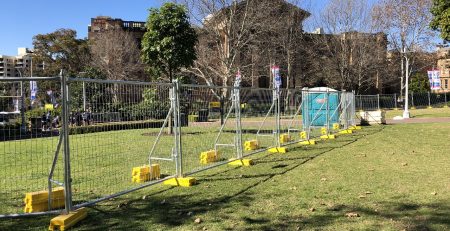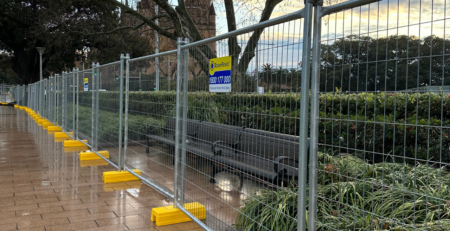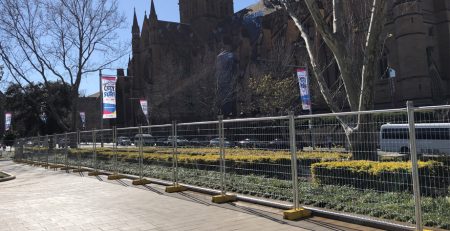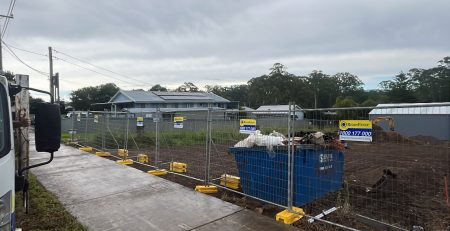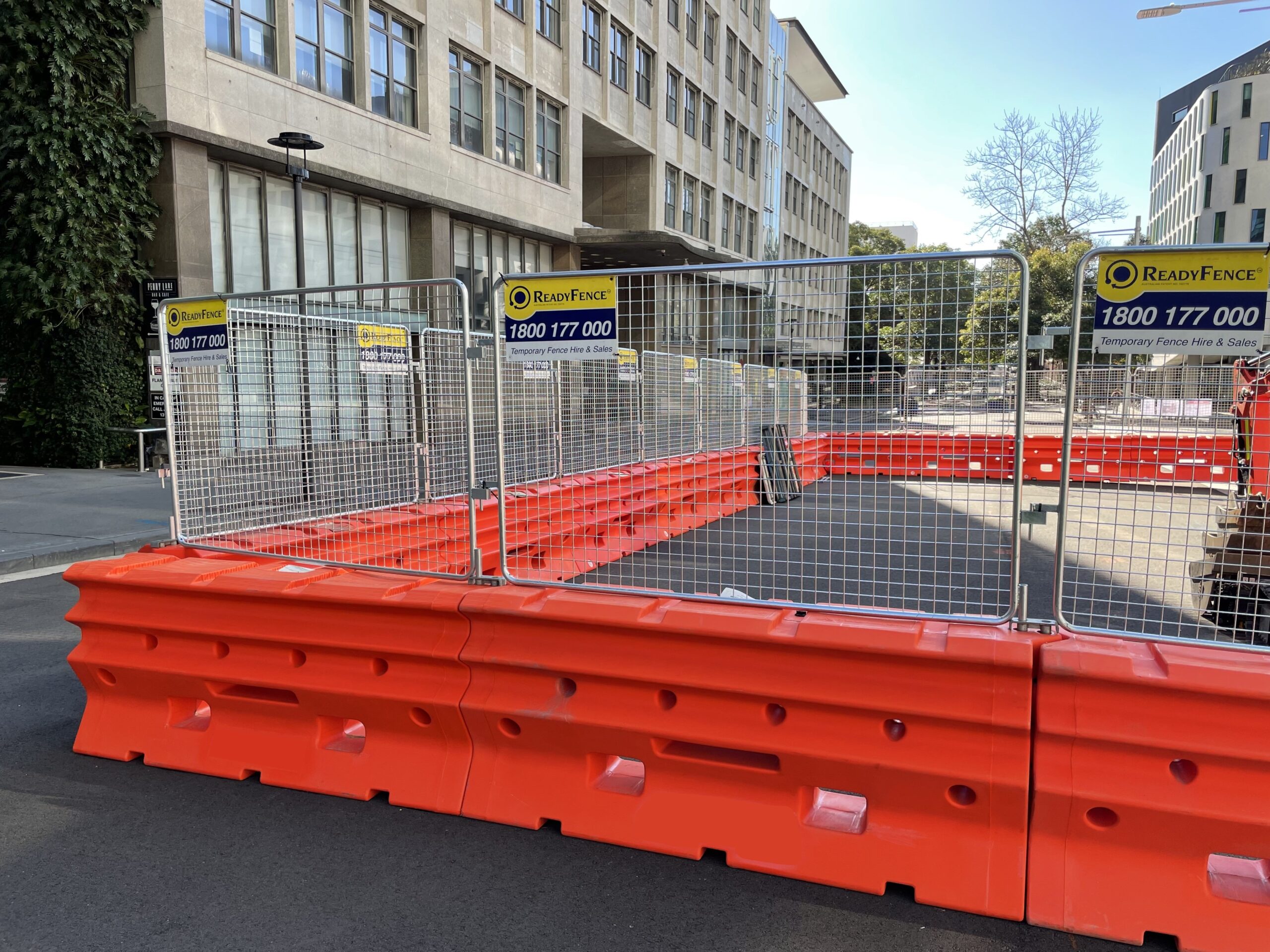
Temporary Fencing for Residential Projects: What You Need to Know
Temporary fencing is a key requirement for residential construction and renovation projects across Australia. Whether it’s a new home build, a knockdown rebuild, or a major renovation, fencing helps define site boundaries, manage safety risks, and meet council expectations.
Residential projects often take place in built-up areas where neighbours, pedestrians, and traffic are close by. This makes temporary fencing not just a compliance measure, but a practical necessity for keeping the site secure and controlled throughout the project lifecycle.
Why Temporary Fencing Is Important for Residential Projects
Unlike large commercial sites, residential projects operate in tighter spaces and closer proximity to the public. This increases the importance of proper site containment.
Temporary fencing helps manage several key risks:
- Neighbour and public safety: Clearly defined barriers reduce the risk of unauthorised access, particularly for children, pets, or passers-by who may enter an active work zone
- Site security: Building materials, tools, and equipment are often stored on-site. Fencing helps deter theft and vandalism, especially in suburban areas
- Controlled access: Designated entry points allow builders to manage who enters the site, improving safety and accountability
- Boundary clarity: Fencing prevents disputes by clearly marking construction zones and ensuring work does not encroach on neighbouring properties
Even smaller renovation projects can create hazards such as exposed structures, uneven ground, or debris. Temporary fencing helps manage these risks effectively.
Council Permit Requirements and Regulations
Temporary fencing requirements for residential projects vary depending on the location, project scope, and whether public land is affected.
When Permits Are Typically Required
- When fencing extends onto public land, such as footpaths, road verges, or shared access areas
- When required as part of a development approval or building permit condition
- For projects involving demolition or major structural work, where safety risks are higher
Key Compliance Considerations
- Fencing must be secure, stable, and properly installed at all times
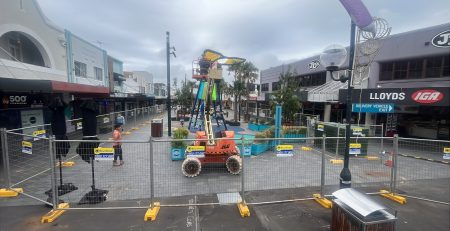
- It should not obstruct pedestrian pathways unless alternative access is provided
- Visibility may be required in certain areas, particularly near roads or intersections
- Gates and access points must be controlled and secured when not in use
While requirements differ between councils, the general expectation is that temporary fencing must effectively protect the public and contain the site for the duration of the project.
Common Residential Scenarios for Temporary Fencing
Temporary fencing is used across a wide range of residential applications, not just large construction sites.
-
New Home Builds
Fencing is typically installed at the start of construction and remains in place for the duration of the build. It helps manage site access, secure materials, and protect neighbouring properties.
-
Home Renovations and Extensions
For projects involving structural changes, demolition, or heavy equipment, fencing provides a barrier between work areas and occupied spaces, particularly in suburban environments.
-
Demolition Projects
Temporary fencing is essential during demolition to prevent debris from leaving the site and to restrict access to hazardous areas.
-
Landscaping and Outdoor Works
Large-scale landscaping, pool installations, or driveway works often require fencing to separate work zones from pedestrian access and adjacent properties.
Each of these scenarios may have different requirements depending on duration, risk level, and site layout.
Recommended Temporary Fencing Types for Residential Use
Choosing the right fencing system ensures both safety and practicality for residential projects.
-
Standard Temporary Fence Panels
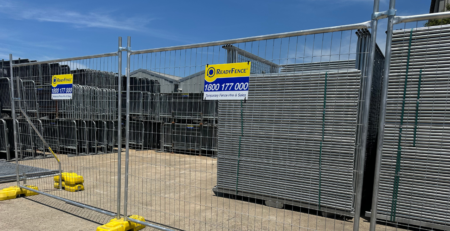
These are the most commonly used options for residential builds. They are quick to install, cost-effective, and suitable for general site containment.
-
Heavy-Duty Panels
Designed for longer-term use, these panels offer greater durability and stability. They are ideal for projects that will run for several months or involve higher levels of site activity.
-
Mesh Panels
Mesh-style fencing allows airflow and visibility, making it a practical option for residential areas where reducing wind load and maintaining sightlines is important.
-
Hoarding or Privacy Panels
Used when additional privacy or dust control is required, particularly in densely populated neighbourhoods. These should be properly stabilised, as solid surfaces increase wind load.
Selecting the appropriate panel type depends on project duration, location, and the level of security required.
Installation and Stability Considerations
Proper installation is critical for ensuring temporary fencing performs effectively over time.
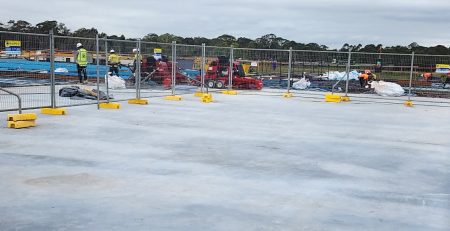
- Stabiliser feet and bases should be correctly positioned to support panel weight and prevent movement
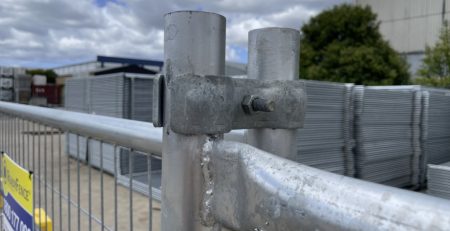
- Couplers and clamps must be securely fitted to maintain panel alignment
- Bracing support may be required for longer fence runs or exposed areas
- Ballast/weighted support should be used where ground conditions are unstable or where extra reinforcement is needed
On residential sites, where space may be limited or surfaces uneven, careful installation helps prevent shifting, leaning, or gaps forming in the fence line.
Maintenance and Site Responsibility
Even on residential projects, temporary fencing requires regular attention to remain effective.
- Check alignment and stability regularly, especially after weather changes
- Ensure gates and access points remain secure when the site is unattended
- Monitor for damage or movement caused by site activity or external factors
- Keep surrounding areas clear to maintain safe access for pedestrians and neighbours
Ongoing maintenance helps ensure the fencing continues to meet safety expectations throughout the project.
How Ready Fence Can Help
Setting up temporary fencing for residential builds requires the right balance of safety, compliance, and practicality.
Ready Fence supports homeowners, builders, and contractors with solutions tailored to residential projects across Australia.
- Supply of high-quality temporary fencing panels suitable for all project sizes
- Guidance on council requirements and best practices
- Professional installation to ensure secure and compliant setup
- Flexible hire options aligned with your project timeline
- Ongoing support to help maintain safety throughout the build
With the right setup, temporary fencing becomes a simple and effective way to manage residential construction sites.
Conclusion
Temporary fencing is an essential part of residential construction and renovation projects. It helps protect neighbours, secure the site, and ensure compliance with local requirements.
By choosing the right fencing system and maintaining it properly, you can keep your project running safely and smoothly from start to finish.
Ready to Secure Your Site?
Properly secured temporary fencing is not just about keeping a fence upright. It’s about meeting your WHS obligations, protecting workers and the public, and ensuring your site perimeter performs reliably for the life of your project.
At Ready Fence, we supply and install AS 4687-certified temporary fencing across Australia — from major infrastructure and commercial construction projects through to events, pool compliance fencing, and emergency response zones. Our team will assess your site, recommend the right security method, and ensure every panel is installed to standard.
Get a free quote today or call us on 1800 177 000 — we’re ready when you are.