
How Temporary Fencing Contributes to Professional Site Presentation
Temporary fencing is often treated as a basic compliance requirement, but in practice, it plays a far more visible and influential role.

Temporary fencing is often treated as a basic compliance requirement, but in practice, it plays a far more visible and influential role.

When planning a construction project, event, or short-term site setup, fencing is often one of the first practical requirements—and one of the easiest to underestimate.
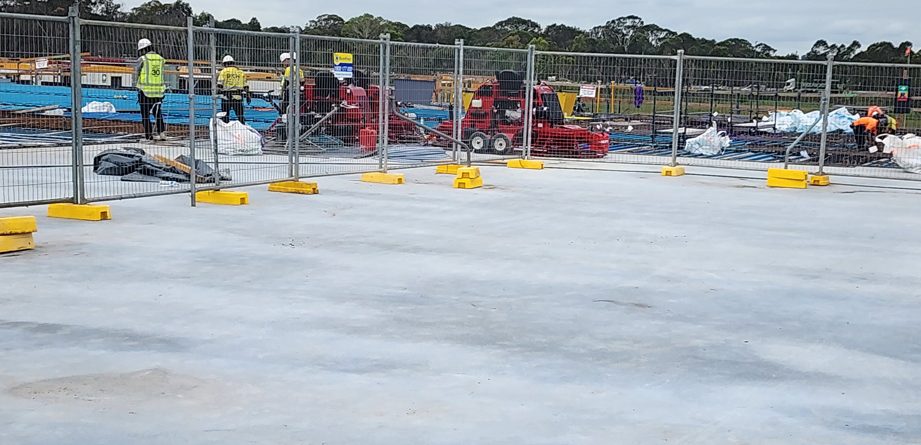
If you’ve worked on a construction site in Australia, you’ll know that temporary fencing isn’t just a tick-box requirement.
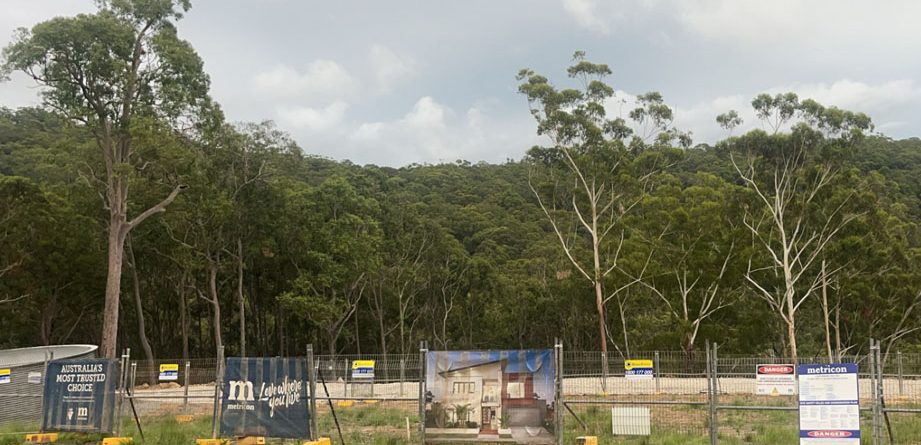
From busy construction sites to packed festivals and community upgrades, temporary fencing is one of those essentials you can’t afford to overlook.

Temporary fencing is more than just a site accessory, it’s a safety system, compliance requirement, and security barrier.
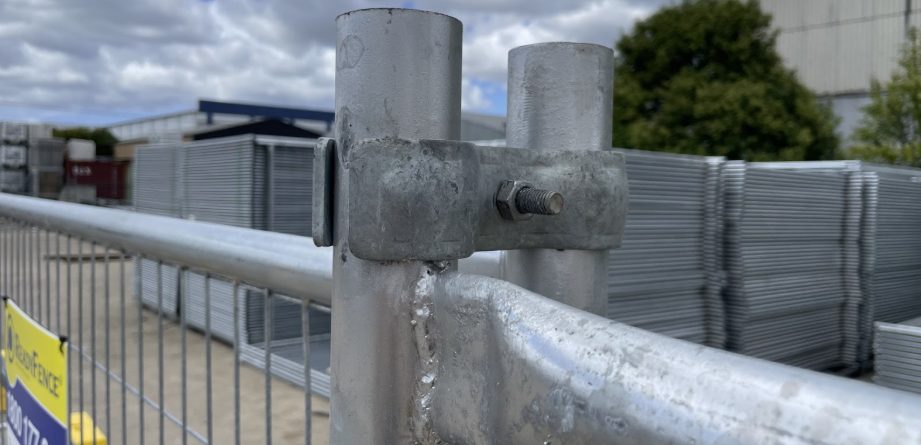
If you’ve ever hired or purchased temporary fencing in Australia, chances are you’ve come across the term Configuration 19. It’s often mentioned in compliance documents or by suppliers, but what does it actually mean?
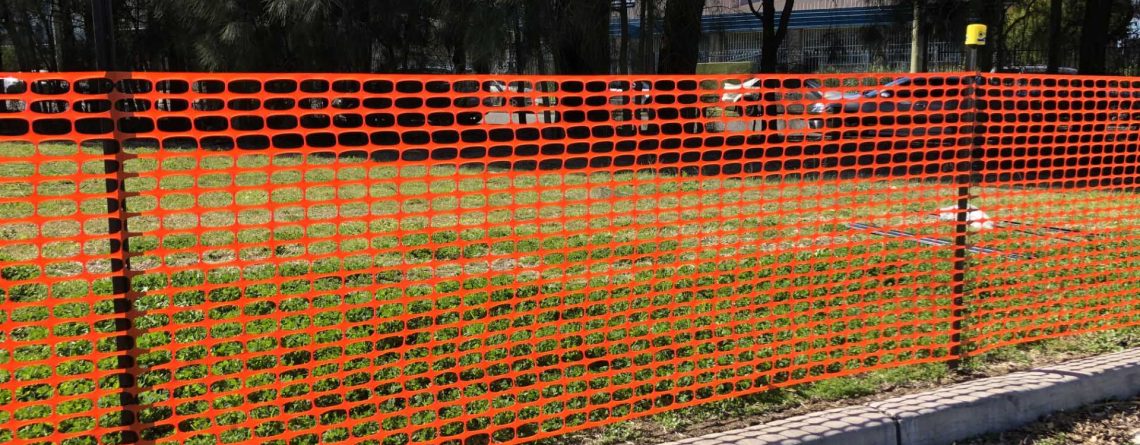
Temporary fencing isn’t always the answer for every project. Sometimes you need a lighter, faster, and more versatile solution that still keeps people safe and sites under control.
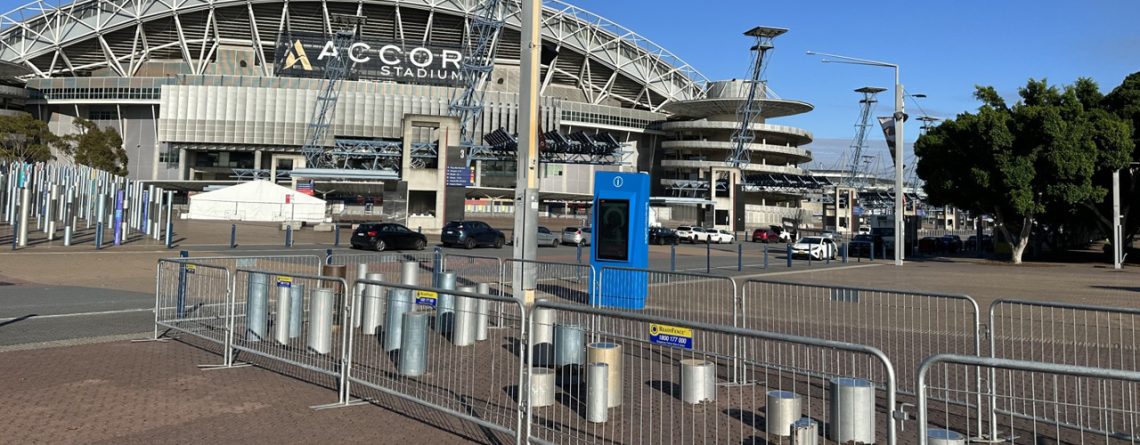
On large construction sites, civil works, and high-profile events, efficiency and scale are everything. Delays in site establishment can cause significant disruptions.
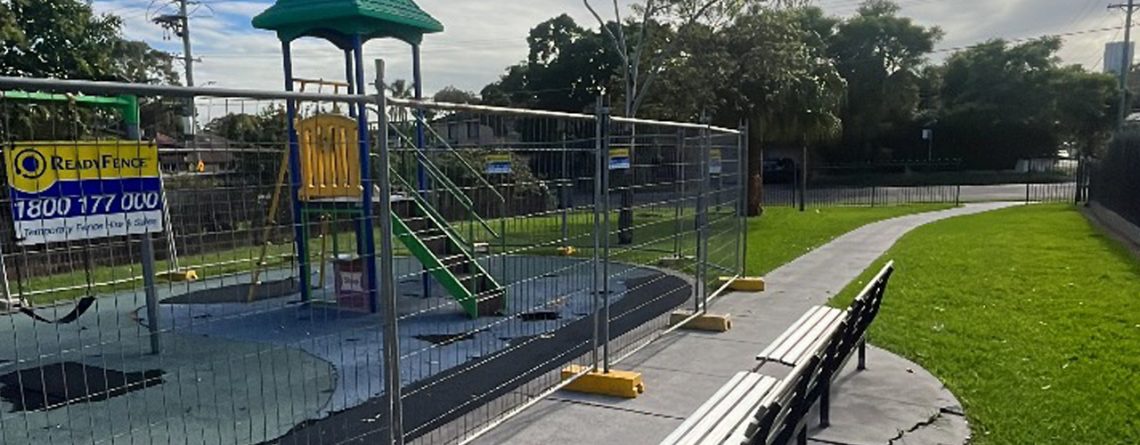
Australia’s climate is no stranger to extremes. From sudden coastal gusts in Brisbane to unpredictable downpours in Sydney’s west, weather poses a real risk to any temporary fencing setup.
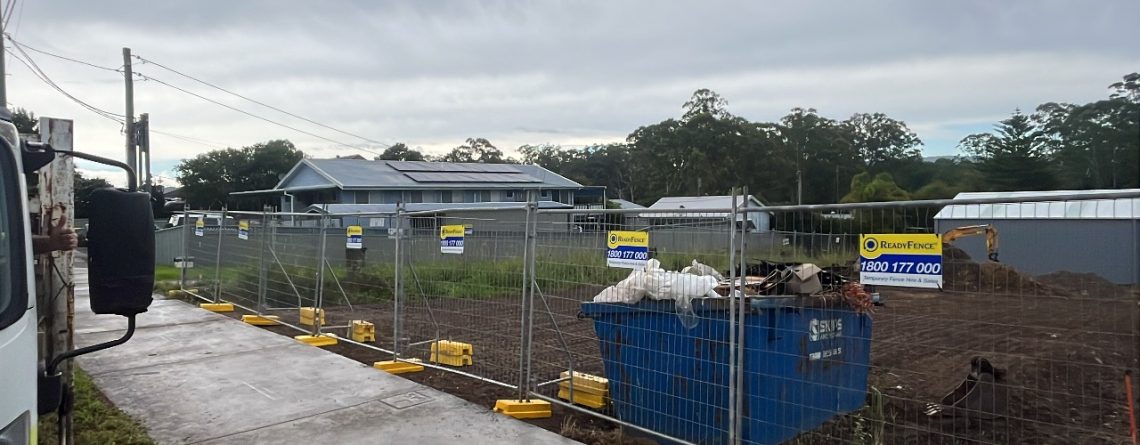
Australia’s climate is no stranger to extremes. From sudden coastal gusts in Brisbane to unpredictable downpours in Sydney’s west, weather poses a real risk to any temporary fencing setup.
 GET A FREE QUOTE