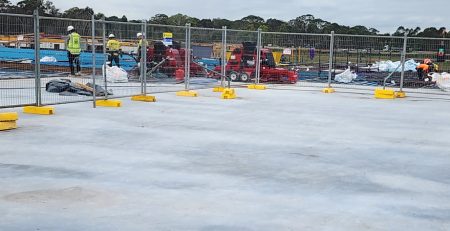
What Happens When Construction Site Security Fails? 7 Risks Every Builder Should Know
Unfortunately, this isn’t uncommon. Construction sites are constantly changing environments, with expensive equipment, valuable materials and multiple contractors moving in and out throughout the day. Without effective perimeter security, even a small oversight can lead to costly disruptions.
Whether you’re managing a residential build, commercial development or major infrastructure project, keeping your site secure isn’t just about protecting assets—it’s about keeping your project running safely, efficiently and on schedule.
This guide explores the most common risks of poor construction site security and practical ways to reduce them before they impact your project.
Why Construction Site Security Matters
A secure construction site does more than keep people out.
It helps:
- Protect workers and visitors
- Reduce theft and vandalism
- Prevent unauthorised access
- Improve compliance with workplace safety requirements
- Minimise project delays
- Protect valuable equipment and materials
- Present a professional image to clients and the public
Good site security starts before the first excavator arrives and continues until the project is complete.
1. Theft Can Bring Work to a Standstill
Construction sites often contain:
- Power tools
- Copper wiring
- Machinery
- Building materials
- Fuel
- Temporary electrical equipment
These items are attractive targets, particularly after hours or during weekends.
Replacing stolen equipment isn’t just expensive; it can delay scheduled work while replacement materials or machinery are sourced.
Practical Tip
Lock storage areas, control site access, and ensure the perimeter is properly secured before expensive equipment arrives.
2. Unauthorised Access Creates Serious Safety Risks
An unfinished construction site contains hazards that members of the public may not recognise.
These can include:
- Open excavations
- Heavy machinery
- Incomplete structures
- Electrical hazards
- Stored materials
- Trip hazards
Children, pedestrians and trespassers entering the site could suffer serious injuries, creating legal and financial consequences for those responsible for managing the project.
3. Project Delays Often Start with Small Security Issues
Security failures rarely happen in isolation.
One incident can create a chain reaction.
For example:
| Security Issue | Possible Project Impact |
| Stolen equipment | Delayed construction activities |
| Damaged fencing | Additional repair work |
| Unauthorised entry | Safety investigations |
| Material theft | Delivery rescheduling |
| Site vandalism | Cleanup and replacement costs |
Even a one-day delay can affect subcontractor availability and overall project timelines.
4. Poor Site Security Can Increase Project Costs
Security incidents don’t just affect the construction schedule.
Unexpected costs may include:
- Equipment replacement
- Emergency deliveries
- Additional labour
- Temporary repairs
- Extra security measures
- Insurance excess payments
- Lost productivity
Many of these costs are preventable with proper planning from the start of the project.
5. Site Presentation Reflects Your Professionalism
A well-managed construction site creates confidence.
Clients, neighbouring businesses and the public notice when a site appears organised and secure.
On the other hand, damaged fencing, unrestricted access or poor site organisation can affect how your business is perceived.
Professional site presentation supports:
- Client confidence
- Community safety
- Contractor coordination
- Better project management
6. Changing Site Conditions Require Ongoing Attention
Construction sites don’t stay the same for long.
As work progresses:
- Site boundaries may change.
- New access points may be created.
- Deliveries increase.
- Additional contractors arrive.
- Work zones expand.
Site security should evolve alongside the project rather than remaining static.
Regular inspections help identify issues before they become bigger problems.
7. The Perimeter Is Your First Line of Defence
Many site security strategies focus on CCTV, lighting or locked storage.
While these are valuable, they work best when combined with a clearly defined, secure perimeter.
A well-planned perimeter helps:
- Control access points
- Guide pedestrian movement
- Protect workers
- Separate construction activities from the public
- Improve overall site management
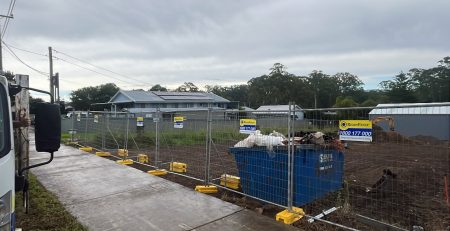
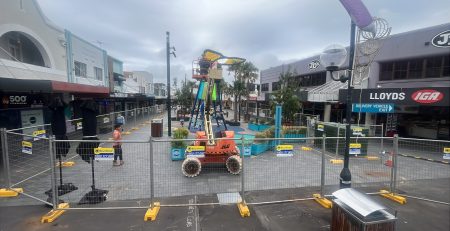
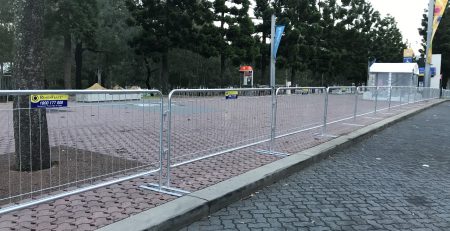
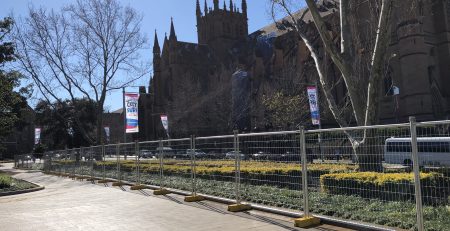
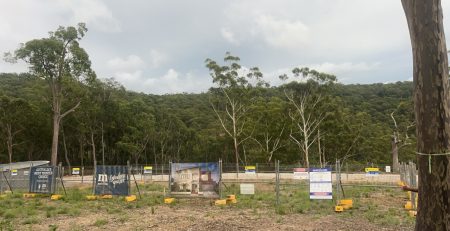
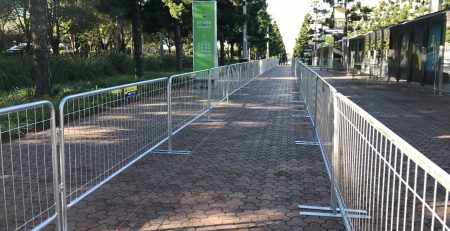
For many projects, temporary fencing forms the foundation of that perimeter strategy.
Five Simple Ways to Improve Construction Site Security
✔ Secure the site before work begins.
✔ Inspect fencing and access points regularly.
✔ Keep gates closed when not in use.
✔ Remove unnecessary materials from public areas.
✔ Review your site layout as the project progresses.
Small improvements made early can prevent much larger problems later.
Common Mistakes Builders Make
Even experienced contractors can overlook simple security measures.
Some of the most common mistakes include:
- Waiting until construction starts before securing the site.
- Leaving multiple access points open throughout the day.
- Failing to inspect fencing after severe weather.
- Not updating site boundaries as the project expands.
- Assuming theft only happens on large projects.
Every project—regardless of size—benefits from a proactive approach to site security.
Frequently Asked Questions
Why is construction site security important?
Construction site security helps protect workers, equipment, materials and the public while reducing the risk of theft, vandalism and project delays.
What is the biggest security risk on a construction site?
Unauthorised access is one of the most common risks because it can lead to theft, safety incidents and costly disruptions.
How often should site security be reviewed?
Site security should be reviewed regularly, particularly after weather events, changes to site boundaries or major construction milestones.
Does temporary fencing improve construction site security?
Yes. Temporary fencing helps establish a clear perimeter, control access and reduce the likelihood of unauthorised entry. It also supports safer site management throughout the project.
Keep Your Project Secure from Day One
Construction site security isn’t something to think about after work begins—it’s part of successful project planning.
By securing the site early, reviewing security throughout the project and maintaining a clear perimeter, builders can reduce risks, improve efficiency and keep projects moving forward.
Whether you’re managing a small residential build or a large infrastructure project, investing in effective perimeter protection is one of the simplest ways to safeguard your people, assets, and schedule.