Construction Site Safety Inspections: What Inspectors Look for Before They Arrive
No construction project enjoys unexpected delays, especially when they can be avoided with better preparation.
Whether you’re managing a residential build, commercial development or civil infrastructure project, safety inspections are a normal part of construction. They help verify that the site is being managed safely, hazards are being controlled and appropriate measures are in place to protect workers and the public.
While every project is different, inspectors generally focus on the same fundamental areas. They want to see that the site is organised, access is controlled, safety measures are maintained and documentation reflects what’s happening on site.
Preparing for an inspection shouldn’t start the morning an inspector arrives. It should be part of the way the site is managed every day.
Why Site Preparation Matters
A well-prepared site demonstrates more than compliance—it reflects good project management.
When fencing is secure, access points are controlled and hazards are clearly identified, daily operations tend to run more efficiently. The same measures that help a site perform well during an inspection also contribute to safer working conditions throughout the life of the project.
Rather than preparing specifically for inspectors, the goal should be maintaining consistent standards every day.
What Inspectors Commonly Assess
Although inspection requirements vary depending on the project, there are several areas that are routinely reviewed across Australian construction sites.
Perimeter Security
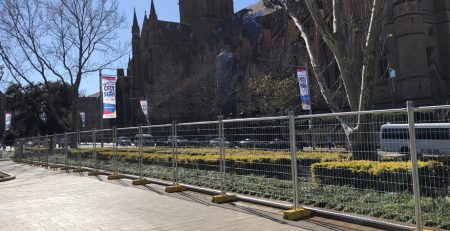
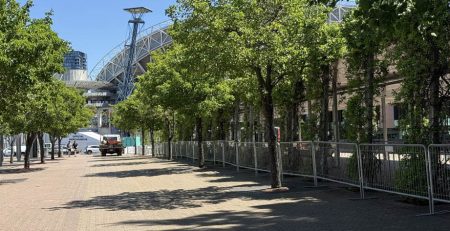
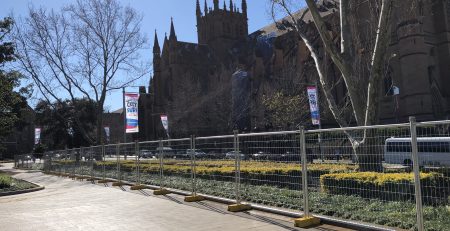
One of the first things inspectors notice is how well the construction site is separated from surrounding public areas.
They will generally look for a clearly defined perimeter that helps prevent unauthorised access while supporting safe movement around the site.
Damaged panels, unsecured sections or gaps in the boundary can indicate that perimeter protection is not being adequately maintained.
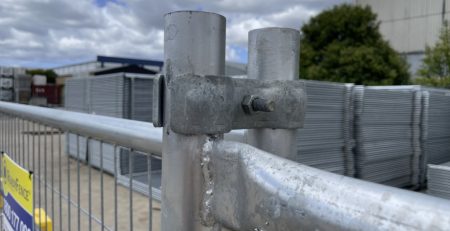
Temporary fencing should not only be installed correctly but also remain in good condition throughout the project.
Access Control
Knowing who enters and leaves the site is an important part of construction safety.
Inspectors may observe whether:
- vehicle entry points are clearly identified
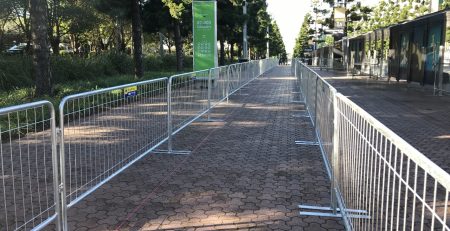
- pedestrian access is separated where appropriate
- gates are functioning correctly
- unauthorised access is restricted
Projects involving multiple contractors often require additional planning to ensure access remains organised as the site evolves.
Signage
Clear signage supports both safety and communication.
Depending on the project, inspectors may expect to see information such as:
- site entry requirements
- mandatory PPE
- emergency contacts
- warning notices
- restricted access areas
Signage should be easy to read, positioned appropriately and updated whenever site conditions change.
Fence Stability
Installing temporary fencing is only the first step.
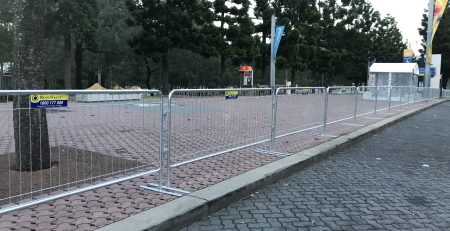
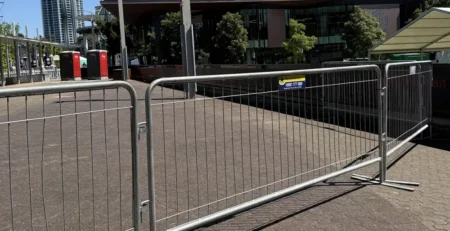
Inspectors will also expect fencing to remain stable throughout the project.
This includes checking that fencing has not been damaged by weather, deliveries or construction activities and that any necessary stabilisation remains effective.
Routine inspections help identify issues before they become larger safety concerns.
Site Documentation
Good documentation demonstrates that site safety is actively managed rather than assumed.
Depending on the project, inspectors may review records relating to:
- site inductions
- inspection reports
- maintenance records
- incident reporting
- safety management procedures
Keeping documentation organised makes inspections more efficient and provides evidence that safety processes are being followed consistently.
A Practical Example
Imagine a contractor preparing for a scheduled inspection on a medium-sized commercial development.
During a routine walk-through the afternoon before, the site supervisor noticed that several fence panels had shifted after recent deliveries, emergency contact signage had faded and an access gate was no longer closing properly.
Although none of these issues had interrupted construction, addressing them before the inspection improved site presentation and reduced the risk of corrective actions.
The lesson wasn’t simply about passing an inspection—it was about maintaining a safer and more organised workplace.
Construction Site Inspection Checklist
Before your next inspection, it’s worth completing a quick site review.
| Inspection Item | Check |
| Site perimeter is complete and secure | ☐ |
| Fence panels remain stable and undamaged | ☐ |
| Vehicle and pedestrian access points are clearly managed | ☐ |
| Safety signage is visible and current | ☐ |
| Access gates operate correctly | ☐ |
| Work areas remain organised | ☐ |
| Documentation is up to date | ☐ |
| Recent site changes have been reviewed | ☐ |
Make Inspections Part of Everyday Site Management
The most successful construction sites don’t prepare only when an inspection is scheduled.
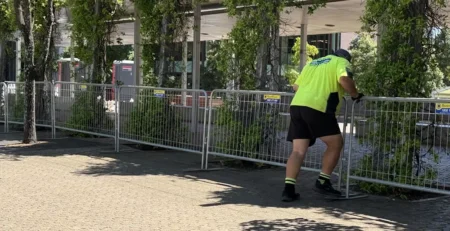
Regular site walk-throughs, routine fencing inspections and consistent housekeeping help identify small issues before they become larger problems.
When safety becomes part of everyday operations, inspections become much less stressful because the site is already being managed to a high standard.
Frequently Asked Questions
What do construction site inspectors usually check?
Inspectors commonly assess perimeter security, site access, temporary fencing, signage, housekeeping, documentation and how hazards are being managed throughout the project.
How often should temporary fencing be inspected?
Fencing should be checked regularly, particularly after severe weather, vehicle impacts or changes to the site layout.
Why is site documentation important?
Documentation demonstrates that inspections, maintenance and safety procedures are being carried out consistently and provides evidence of ongoing site management.
How can builders prepare for a construction site inspection?
Conducting regular internal inspections, maintaining site security, reviewing signage and ensuring documentation is current can help projects remain inspection-ready throughout construction.