How to Prevent Theft and Unauthorised Access on Construction Sites
Construction sites are busy, constantly changing environments. Materials are delivered daily, contractors move between work areas, and expensive equipment is often left on site overnight. While this keeps projects moving, it also creates opportunities for theft and unauthorised access if the site isn’t properly secured.
For builders and project managers, the impact goes beyond replacing stolen tools or damaged materials. A single security breach can delay construction, disrupt subcontractor schedules and increase project costs.
The good news is that most security issues are preventable. By combining good site planning with practical security measures, contractors can significantly reduce risks and create a safer workplace for everyone involved.
Why Construction Sites Are Common Targets
Construction sites often contain items that are easy to transport and valuable to resell, making them attractive targets outside working hours.
Power tools, copper wiring, scaffolding components, fuel, generators and small machinery are commonly targeted because they can disappear quickly without attracting attention.
However, theft isn’t the only concern. Unauthorised visitors entering an active construction site can expose themselves to serious hazards while creating legal and operational risks for those managing the project.
The challenge isn’t simply stopping people from entering—it’s making access controlled, predictable and easy to monitor.
Security Starts with the Site Perimeter
Before considering CCTV cameras or security patrols, the first priority should be establishing a secure perimeter.
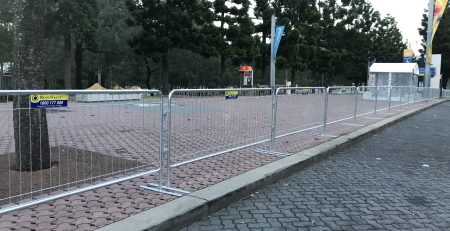
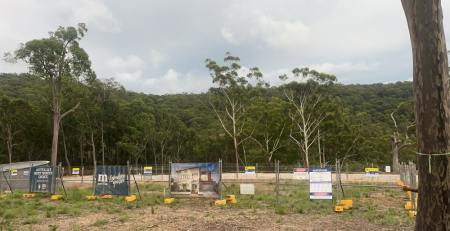
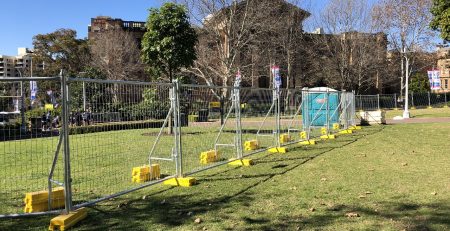
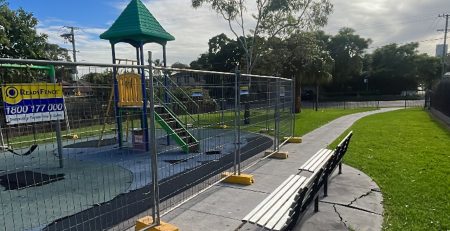
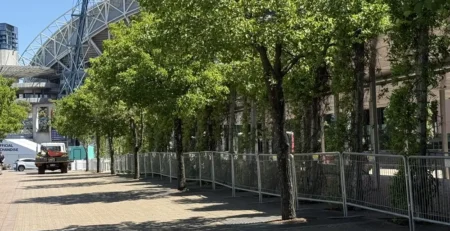
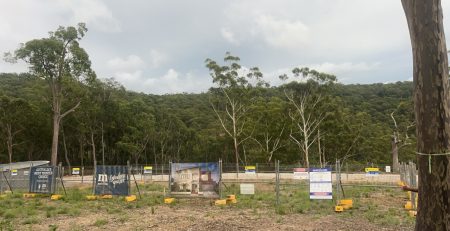
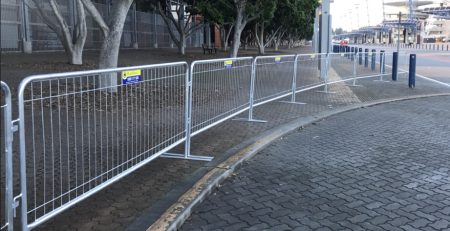
Temporary fencing creates a clear physical boundary between the construction site and the surrounding public environment. It defines where work begins, discourages opportunistic trespassing and gives contractors greater control over how people and vehicles enter the site.
Without a well-maintained perimeter, even the most advanced surveillance system becomes less effective because unauthorised visitors can access the site too easily.
A secure perimeter also improves day-to-day site management by directing deliveries through designated entrances and reducing unnecessary movement around active work areas.
Access Control Is More Than Locking the Gate
Many security incidents occur during normal working hours rather than overnight.
Delivery drivers, subcontractors, visitors and suppliers all require access, but without clear entry procedures, it becomes difficult to know who is on site and why.
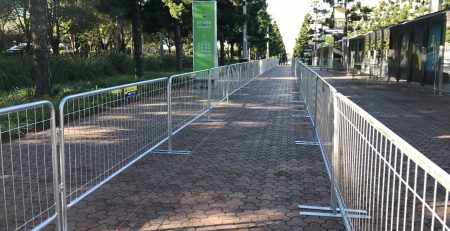
Well-managed construction sites typically establish designated entry points rather than allowing access from multiple locations. This not only improves security but also helps coordinate deliveries and minimise disruption to ongoing work.
On larger commercial developments, separate access routes for heavy vehicles and pedestrians can further improve both safety and operational efficiency.
Lighting and CCTV Work Best Together
Security doesn’t end when workers leave for the day.
Poorly lit construction sites provide cover for opportunistic theft and vandalism, particularly during evenings and weekends.
Installing lighting around access points, storage compounds and high-value equipment improves visibility and makes suspicious activity easier to detect.
CCTV adds another layer of protection by monitoring site activity and providing valuable footage if an incident occurs. Cameras are particularly effective when positioned to cover entry points, storage areas and sections of the perimeter that are less visible from neighbouring properties.
It’s important to remember, however, that cameras should support good site security—not replace it. Without a secure perimeter, surveillance alone cannot prevent unauthorised access.
Secure High-Value Equipment, Not Just the Site
One of the most common assumptions is that once the site is fenced, everything inside is protected.
In reality, expensive equipment and materials often need additional security.
For example, a contractor may establish a fenced perimeter around an industrial development while also creating a separate locked compound for generators, power tools and specialist equipment. This layered approach limits access to high-value assets even if someone enters the main site.
Thinking about what needs protecting is not just where the boundary sits; it can significantly reduce the impact of theft.
A Practical Scenario
Imagine a contractor managing a new retail development.
Temporary fencing was installed before construction began, creating a secure boundary around the site. As work progressed, the project team recognised that deliveries were increasing and several expensive pieces of equipment would remain on site overnight.
Rather than relying solely on the perimeter fence, they introduced controlled vehicle access, installed temporary lighting around the storage area and positioned CCTV to monitor the main entrance and equipment compound.
A few weeks later, an attempted break-in occurred after hours. While the intruders never gained access to the equipment compound, the incident highlighted the value of combining multiple security measures rather than depending on a single solution.
This layered approach helped minimise disruption and allowed work to continue as scheduled the following morning.
Construction Site Security Is an Ongoing Process
A common mistake is treating site security as something that only needs attention during project setup.
In reality, security should evolve alongside the construction programme.
As the project progresses, storage areas may relocate, additional contractors may arrive and new access points may be required. Regular reviews of the site layout help ensure security measures remain effective as these changes occur.
Something as simple as relocating a vehicle gate or expanding a storage compound can alter how people move around the site, making it worthwhile to reassess the perimeter whenever major project milestones are reached.
The Best Security Strategy Combines Multiple Layers
There isn’t a single product or system that completely eliminates construction site theft.
The most effective sites combine several measures that work together, including:
- A clearly defined temporary fencing perimeter.
- Controlled access points for workers and deliveries.
- Well-positioned lighting around vulnerable areas.
- CCTV covering entrances and valuable equipment.
- Secure storage for tools, plant and materials.
- Regular reviews as the project evolves.
Each layer supports the others, making the site more difficult to access and easier to manage.
Protecting More Than Equipment
Construction site security is often viewed as a way to prevent theft, but its benefits extend much further.
A secure site protects workers, reduces the risk of unauthorised access, supports efficient project management and helps minimise disruptions that can affect budgets and schedules.
Temporary fencing plays an important role in that strategy, but it delivers the greatest value when combined with thoughtful planning, controlled access and ongoing site management.
By taking a proactive approach to security from the beginning of the project, builders can create a safer environment while keeping construction moving efficiently from start to finish.
Frequently Asked Questions
Why are construction sites frequently targeted for theft?
Construction sites often contain valuable tools, equipment and materials that may be left unattended outside working hours, making them attractive targets for opportunistic theft.
Is temporary fencing enough to secure a construction site?
Temporary fencing provides an important first layer of protection by establishing a secure perimeter, but it is most effective when combined with controlled access, lighting, CCTV and secure storage for valuable equipment.
How often should construction site security be reviewed?
Security should be reviewed throughout the project, particularly after major site changes, new work stages or significant deliveries that alter the site layout.
What is the biggest cause of unauthorised access?
Poor perimeter security, multiple uncontrolled entry points and inadequate lighting are among the most common factors that allow unauthorised access to construction sites.