Construction Site Setup Timeline: When to Install Temporary Fencing
If you’re planning a construction project, temporary fencing is often one of the first things you’ll organise—but exactly when should it be installed?
Some contractors arrange fencing just before machinery arrives, while others wait until work is about to begin. In reality, the best time to install temporary fencing is before any construction activity starts. Establishing a secure perimeter early helps control access, protect the public and create a safer working environment from day one.
As a project progresses, however, fencing shouldn’t simply be left in place and forgotten. Site layouts change, access requirements evolve and different stages of construction introduce new risks that may require the fencing layout to be adjusted.
This guide explains when temporary fencing should be installed throughout the construction lifecycle and why early planning can help keep your project running safely and efficiently.
Why Timing Matters
Temporary fencing is much more than a boundary around a construction site. It plays an important role in how a project operates from the very beginning.
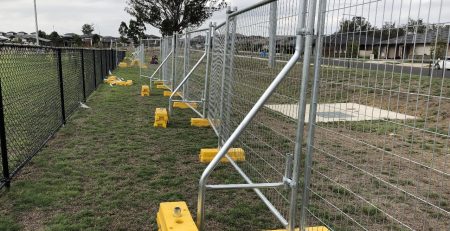
Installing fencing before work starts establishes a clearly defined work area, helping to separate construction activities from the public while giving contractors greater control over site access. It also creates a more organised environment for deliveries, subcontractors and equipment, reducing the likelihood of confusion during the busy early stages of a project.
Waiting until construction is already underway can create unnecessary complications. Deliveries may need to be rescheduled, access points may have to be relocated and additional labour may be required to install fencing around an active worksite.
Planning ahead allows temporary fencing to become part of the overall site establishment process rather than a reactive solution once work has already begun.
Temporary Fencing Throughout a Construction Project
The role of temporary fencing changes as construction progresses. While the perimeter may remain in place for most of the project, the way it’s used often evolves to match changing site conditions.
| Project Stage | When Temporary Fencing Should Be Installed | Why It Matters |
| Planning & Site Establishment | Before equipment, materials or contractors arrive | Creates a secure site boundary and prepares the site for construction activities. |
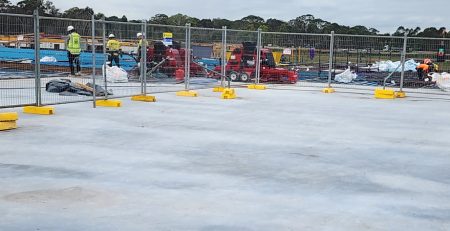
| Earthworks & Excavation | Maintain fencing before excavation begins | Protects workers and the public from hazardous work areas and heavy machinery. |
| Structural Construction | Review fencing as the site expands | Supports changing access requirements, deliveries and additional trades. |
| Fit-Out & Finishing | Adjust fencing where required | Maintains security while allowing efficient movement of people and materials. |
| Practical Completion | Remove once the site is safe and approved | Supports a smooth handover when construction hazards have been eliminated. |
Stage One: Site Establishment
The ideal time to install temporary fencing is before the site becomes active.
This means organising fencing before excavation equipment arrives, materials are delivered or subcontractors begin work. Establishing the perimeter early allows everyone arriving on site to clearly understand where construction activities begin and where public access ends.
For a residential build, this may simply involve securing the property boundary before demolition or excavation starts. On larger commercial projects, fencing also helps coordinate deliveries, establish site entry points and create a safer environment for multiple contractors working simultaneously.
By treating fencing as part of site establishment rather than an afterthought, builders can avoid unnecessary disruptions during the first few days of construction.
Stage Two: Earthworks and Early Construction
Once earthworks begin, the importance of a secure perimeter increases.
Heavy machinery, open excavations and changing ground conditions introduce additional hazards that require effective site separation. During this stage, temporary fencing helps prevent unauthorised access while providing a clear boundary for workers, visitors and neighbouring properties.
Although the perimeter may not change significantly during earthworks, regular inspections are worthwhile to ensure fencing remains stable, particularly after severe weather or increased site activity.
A secure site at this stage helps create the foundation for safer construction throughout the remainder of the project.
Stage Three: As the Project Evolves
Construction sites rarely remain the same for long.
As structural work progresses, additional trades arrive, material deliveries become more frequent and temporary work zones may be introduced. These changes can affect how people and vehicles move around the site, making it important to review the fencing layout as the project develops.
For example, a contractor building a new warehouse may initially require fencing only around the site perimeter. Once structural steel is erected, however, additional storage compounds may be needed for equipment and materials, along with new access points for larger deliveries.
Reviewing the fencing layout during these changes allows the site to remain organised without interrupting ongoing construction activities.
Stage Four: Preparing for Project Completion
Towards the end of a project, some contractors are tempted to remove fencing early as work begins to wind down.
However, construction sites often continue to present risks until final inspections, defect rectification and site clean-up have been completed. Materials, equipment and unfinished works may still require protection, even if the majority of construction activities have finished.
Temporary fencing should generally remain in place until the site is ready for practical completion and can be safely accessed by clients, occupants or the public.
Removing fencing at the appropriate time helps ensure the transition from construction site to completed project is both safe and well managed.
A Real-World Example
Consider a contractor delivering a medium-sized commercial office project.
Temporary fencing was installed before site clearing began, creating a secure boundary for contractors and allowing deliveries to be managed efficiently from the outset. As the project progressed, the fencing layout was adjusted to accommodate a temporary storage compound and a second vehicle entrance for larger equipment.
Because these changes had been anticipated during the planning phase, they were completed without disrupting construction or delaying scheduled works.
This approach demonstrates that temporary fencing isn’t a one-time installation—it should evolve alongside the project to support changing operational requirements.
Common Planning Mistakes
While every project is different, a few common mistakes appear regularly across construction sites.
One is leaving fencing until the last minute, only to discover it delays site establishment. Another is assuming the original layout will remain suitable for the entire project, even as work zones and access requirements change.
Some projects also remove fencing too early, before all hazards have been eliminated, creating unnecessary risks during the final stages of construction.
Reviewing fencing throughout the project—not just at installation—helps avoid these issues and supports a safer, more organised worksite.
Plan Early for a Smoother Project
Temporary fencing should be viewed as an essential part of construction planning rather than a task to complete once work is underway.
Installing fencing before the first contractor arrives creates a secure foundation for the project, while reviewing the layout at key construction stages helps ensure it continues to support changing site conditions.
By considering access requirements, future work zones and project milestones from the beginning, builders can reduce disruptions, improve site organisation and maintain a safer environment throughout the construction process.
If you’re planning an upcoming residential, commercial or civil project, discussing your site layout with an experienced temporary fencing supplier before work begins can help ensure the right solution is in place from day one.
Frequently Asked Questions
When should temporary fencing be installed on a construction site?
Temporary fencing should ideally be installed before any construction activity begins, including site clearing, equipment deliveries or excavation. Early installation establishes a secure boundary and helps prepare the site for safe operations.
Does temporary fencing need to change during a project?
Often, yes. As construction progresses, changes to access points, work zones or storage areas may require the fencing layout to be adjusted to suit the site’s evolving needs.
Should temporary fencing remain until the project is complete?
In most cases, fencing should remain in place until construction hazards have been removed, final inspections are complete, and the site is ready for safe public or client access.
Can Ready Fence help plan fencing for different construction stages?
Yes. By reviewing your project plans and timeline, Ready Fence can recommend a temporary fencing solution that supports each stage of construction, from site establishment through to project completion.